Welcome.
Filter
38 stories, newest first. Times are each story's most recent publication, shown in your time zone.
2026-11-23
- Satellite Data Reveals How Rain Breaks Up Earth's Natural Marine Cloud Sunshades
ESA's EarthCARE mission identifies rain as a key driver in the dissipation of marine stratocumulus clouds that help regulate global temperatures.
Phys.org
- NASA Awards Northrop Grumman Contract for Next-Generation NOAA Weather Instruments
Northrop Grumman will develop three microwave sounders for the Near Earth Orbit Network to improve global weather forecasting capabilities.
NASA

2026-11-21
- Research Reveals Fundamental Disagreements Among Scientists on the Definition of Science
A new study shows that researchers hold conflicting views on whether science is a pursuit of objective truth or a creative process involving personal judgment.
ScienceDaily

2026-11-20
- Bayer Highlights the Long-Term Research Process Behind Scientific Discoveries at Berkeley
A new initiative from Bayer U.S. emphasizes the persistence and iterative research required to achieve scientific breakthroughs at its Berkeley facilities.
Facebook
- NASA ESCAPADE Mission Completes Earth Flybys and Begins Transit to Mars
The ESCAPADE spacecraft has successfully finished its powered Earth flybys and is now traveling toward the Red Planet.
NASA
- NASA Deploys Autonomous Telescope on Ascension Island to Track Orbital Debris
The Eugene Stansbery–Meter Class Autonomous Telescope monitors space debris across all orbital altitudes to improve risk assessment models for Earth's orbit.
NASA
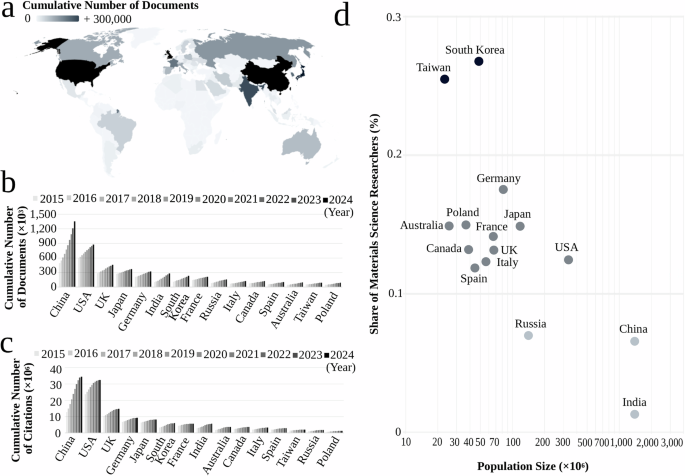
- South Korea Leverages Materials Science to Address Natural Resource Scarcity
A new scientometric analysis explores how South Korea uses materials science research to drive innovation in semiconductors, energy storage, and future technologies.
Nature
- Amateur Astronomers Use AI Coding Tools to Identify Potential Exoplanets in NASA Data
Using Anthropic's Claude Code, a citizen scientist identified a star system with two potential planets by analyzing light fluctuations in archival satellite data.
Nature
- How Decades of Null Results Led to the Discovery of Gravitational Waves
A senior scientist reflects on the 26-year journey at LIGO, where reporting nothing for years eventually paved the way for a Nobel Prize-winning breakthrough.
Nature



2026-11-19
- NASA's ESCAPADE Mission Completes Earth Flybys and Begins Transit to Mars
The ESCAPADE spacecraft has successfully finished its powered Earth flybys and is now officially on its journey to the Red Planet.
NASA
- Anthropic Targets Scientific Breakthroughs in Mathematics and Biology Ahead of IPO
The AI company is expanding into fundamental research, tackling complex fluid dynamics equations and hiring Nobel-winning talent to advance protein design and life sciences.
Nature
- New Scientific Discoveries: Rapid Pulsar Detection and Potential Mars Surface Water
Researchers have developed a high-speed method for identifying pulsars, while a decade of Martian atmospheric data points to the presence of surface water.
NASA, Phys.org

2026-11-18
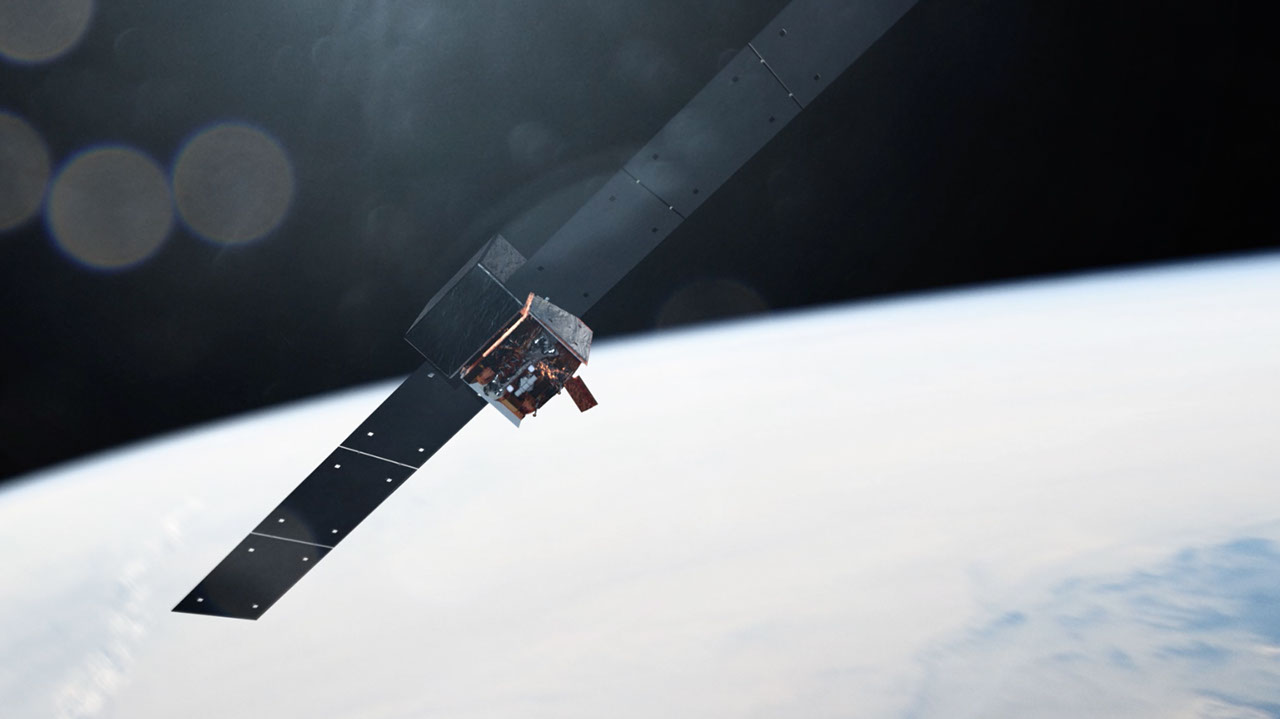
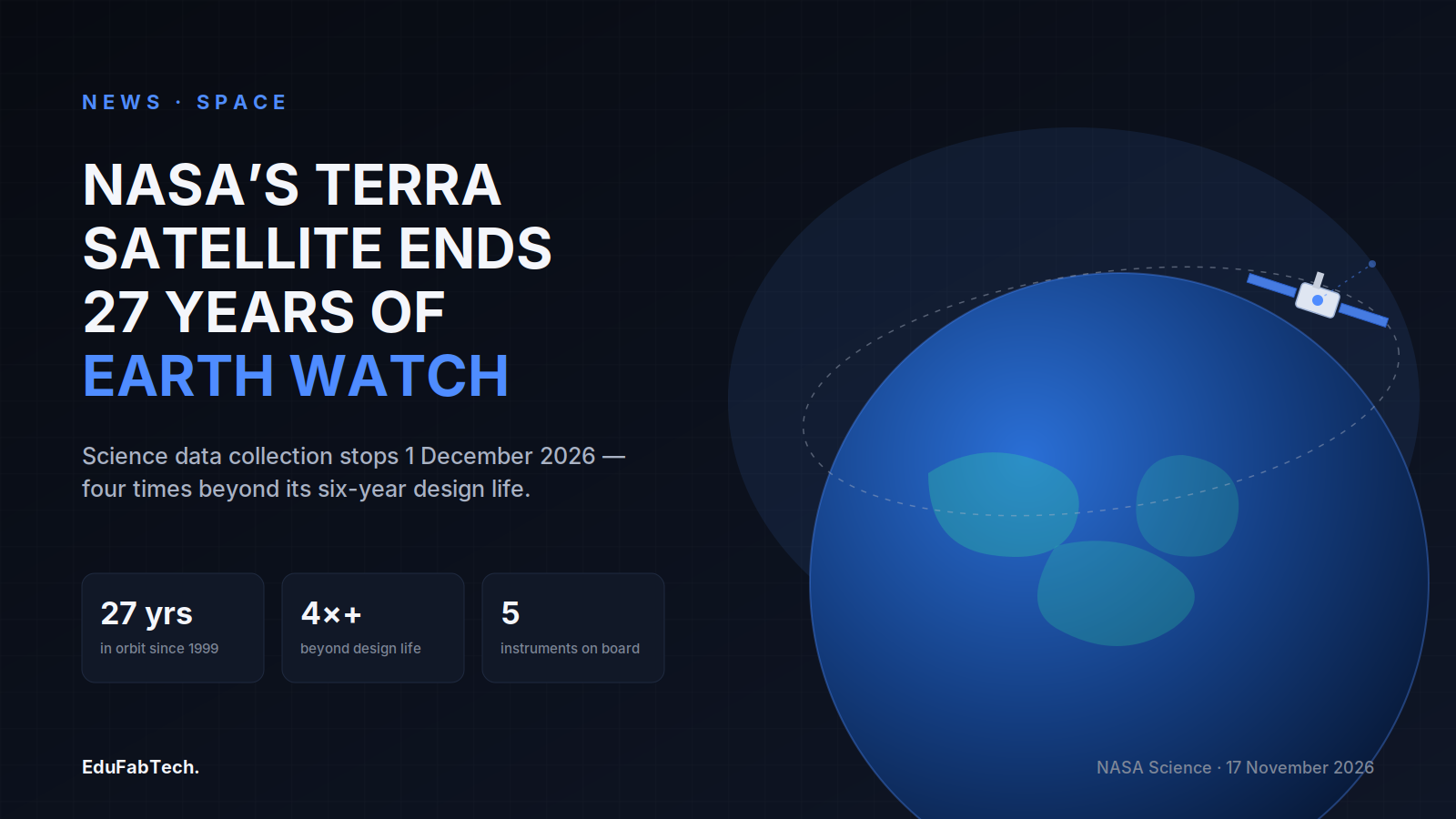
- NASA's Terra Satellite Nears Conclusion of 27-Year Earth Science Mission
Launched in 1999, the Terra satellite has provided nearly three decades of data on Earth's climate, atmosphere, and oceans.
Facebook
- AI Accelerates Scientific Discovery While Raising Questions About Verification and Trust
Researchers at the AIAS+ 2026 symposium discussed how artificial intelligence is outpacing laboratory testing capabilities and the critical need for human-led verification.
Yahoo Finance
- NASA Completes Instrument Calibration for Hydrosat Osiris Satellite Fleet
NASA has finalized prelaunch testing for a new four-satellite fleet designed to monitor Earth's surface using advanced infrared sensor technology.
NASA
- Indian Startup SatLeo Labs Developing Satellite Constellation to Map Earth's Temperature
SatLeo Labs plans to deploy 15 microsatellites by 2030 to provide near-real-time thermal data for climate and defense applications.
Space.com
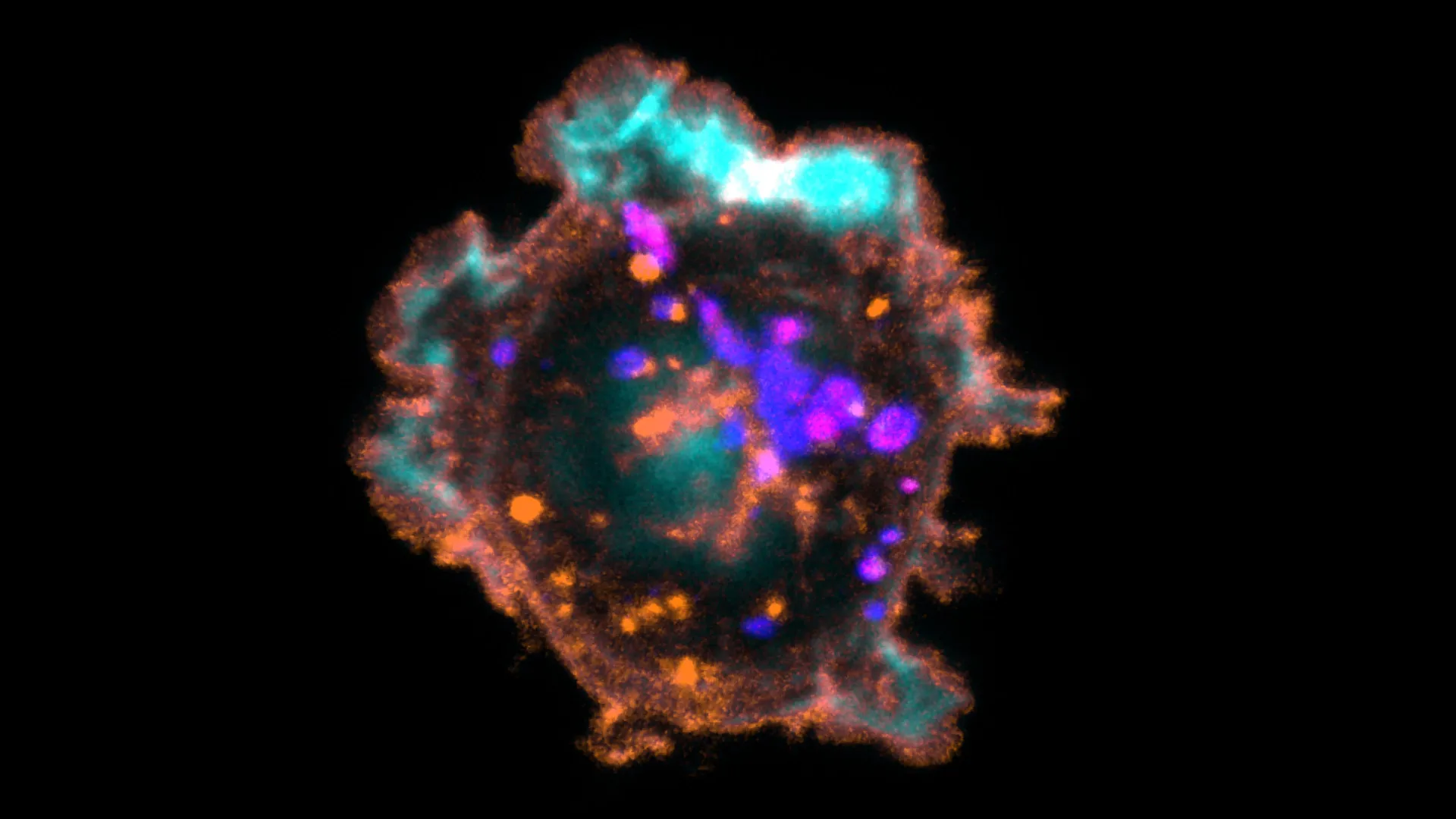
- Research Uncovers Hidden Immune System Flaw Linked to Rare Genetic Disorder
Scientists at the Garvan Institute have identified a new mechanism behind mevalonate kinase deficiency, challenging decades of established thinking about the cause of severe inflammation.
ScienceDaily
- NASA and SpaceX Delay Dragon Undocking Due to Unfavorable Weather Conditions
The departure of SpaceX's 35th commercial resupply mission from the International Space Station is postponed due to weather at California splashdown sites.
NASA
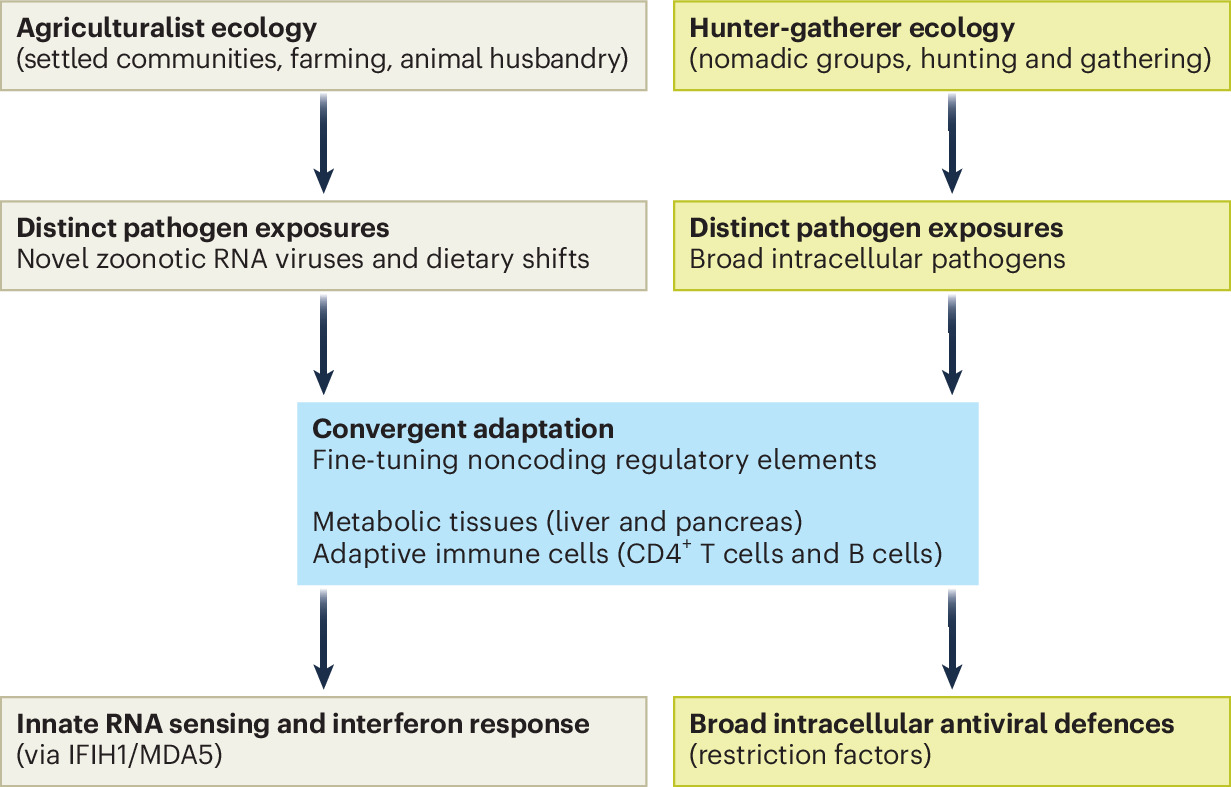
- Study Challenges Traditional Views on Agriculture's Impact on Human Immune Evolution
New research suggests the transition to agriculture triggered complex regulatory changes in immune and metabolic tissues rather than simply increasing pathogen exposure.
Nature


2026-11-17
- SpaceX Cargo Mission Returns Research Samples from International Space Station
A SpaceX resupply mission is departing the International Space Station, carrying thousands of pounds of scientific research back to Earth for analysis.
NASA