Research Uncovers Hidden Immune System Flaw Linked to Rare Genetic Disorder
Scientists at the Garvan Institute have identified a new mechanism behind mevalonate kinase deficiency, challenging decades of established thinking about the cause of severe inflammation.
ScienceDaily
Updated · 2 min read
Overview
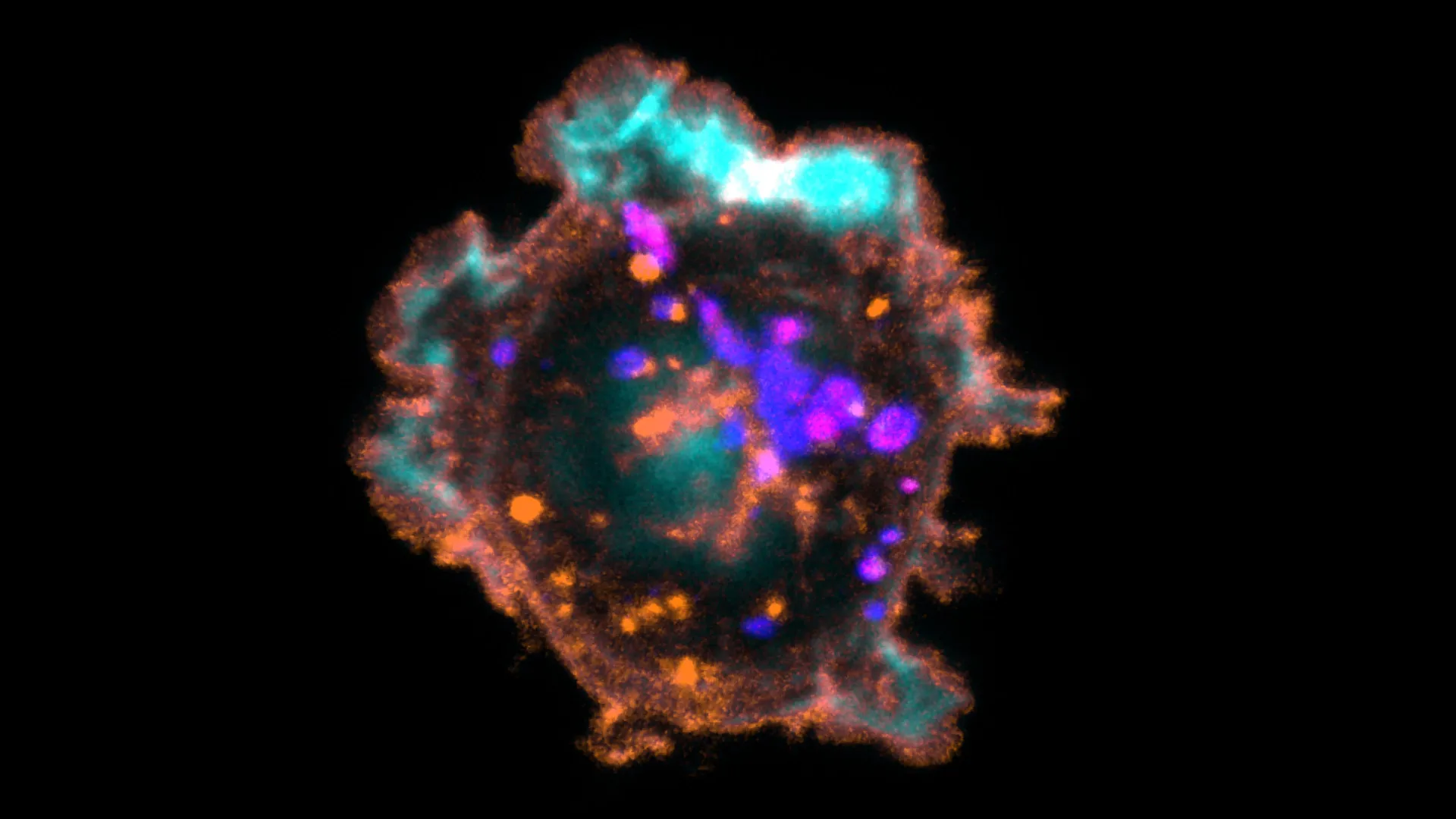
Researchers at the Garvan Institute of Medical Research have discovered a previously underrecognized immune system flaw in patients with mevalonate kinase deficiency (MKD). For 30 years, scientists believed they understood the cause of the dangerous inflammation associated with this rare genetic disorder, but new evidence suggests the role of natural killer (NK) cells is central to the condition.
The study, published in Immunity, reveals that malfunctioning NK cells fail to clear viral infections properly. This failure triggers an extreme inflammatory response that can lead to life-threatening organ damage, explaining why a disorder characterized by defective immune defenses also produces episodes of severe inflammation.
Challenging Established Theory
For three decades, the medical community held a specific understanding of what caused the dangerous inflammation in MKD. New research using preclinical models has overturned this view by establishing a direct connection between malfunctioning natural killer cells and the severe symptoms of the disease.1
The Role of Natural Killer Cells
Natural killer cells are designed to help the body eliminate infected cells. In MKD patients, these cells are defective; when the immune system cannot clear a viral infection, it produces an excessive inflammatory signaling response that can cause extensive damage to organs.1
New Treatment Potential
The discovery has already led to an experimental treatment approach using the drug baricitinib. Researchers worked with doctors at the Royal Children's Hospital in Melbourne to use the medication to reduce excessive inflammatory signaling in a severely affected infant.1
Key takeaways
- Mevalonate kinase deficiency (MKD) causes life-threatening inflammatory episodes.
- Defective natural killer (NK) cells are a primary driver of the disorder's severe symptoms.
- The inability to clear viral infections leads to the damaging inflammatory response seen in patients.
- Baricitinib is being explored as a potential treatment to reduce excessive inflammatory signaling.
Why this matters
This discovery corrects a 30-year-old misunderstanding of a rare disease, providing a biological explanation for why immune defects can trigger extreme inflammation. It also identifies an existing drug that may offer a new life-saving treatment path for severely affected patients.
Original reporting
1 article from 1 publication. Read the full reporting at the source.
Related stories

NIH Announces New Rare Disease Treatment and Funding Increases for 2027
NIH-Developed Treatment Approved for Rare Pediatric Neurodegenerative Disorder