
Satellite Data Reveals How Rain Breaks Up Earth's Natural Marine Cloud Sunshades
ESA's EarthCARE mission identifies rain as a key driver in the dissipation of marine stratocumulus clouds that help regulate global temperatures.
Phys.org2 min
Explore
Discoveries, research and the natural world, from deep space to the cell.
ESA's EarthCARE mission identifies rain as a key driver in the dissipation of marine stratocumulus clouds that help regulate global temperatures.
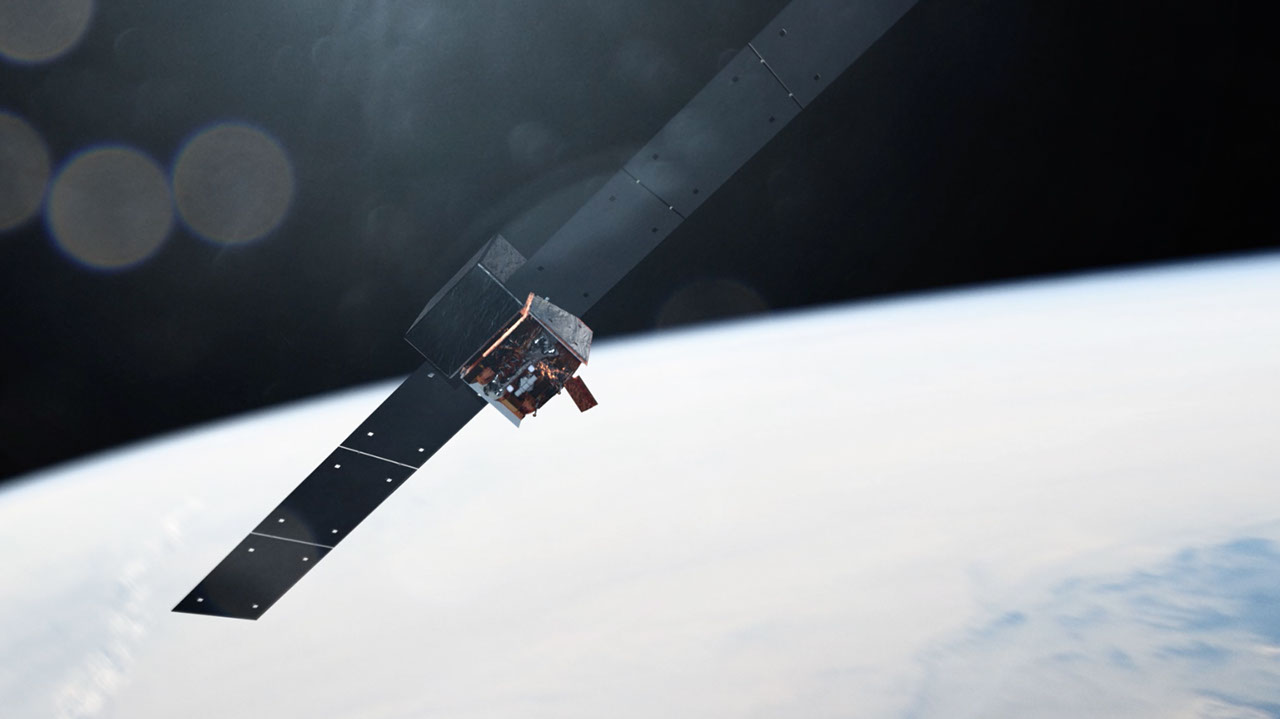
Northrop Grumman will develop three microwave sounders for the Near Earth Orbit Network to improve global weather forecasting capabilities.
Researchers have developed a high-speed method for identifying pulsars, while a decade of Martian atmospheric data points to the presence of surface water.

A new initiative from Bayer U.S. emphasizes the persistence and iterative research required to achieve scientific breakthroughs at its Berkeley facilities.
The ESCAPADE spacecraft has successfully finished its powered Earth flybys and is now traveling toward the Red Planet.
The Eugene Stansbery–Meter Class Autonomous Telescope monitors space debris across all orbital altitudes to improve risk assessment models for Earth's orbit.
A new scientometric analysis explores how South Korea uses materials science research to drive innovation in semiconductors, energy storage, and future technologies.
 Image: Nature
Using Anthropic's Claude Code, a citizen scientist identified a star system with two potential planets by analyzing light fluctuations in archival satellite data.
A senior scientist reflects on the 26-year journey at LIGO, where reporting nothing for years eventually paved the way for a Nobel Prize-winning breakthrough.
The ESCAPADE spacecraft has successfully finished its powered Earth flybys and is now officially on its journey to the Red Planet.
The AI company is expanding into fundamental research, tackling complex fluid dynamics equations and hiring Nobel-winning talent to advance protein design and life sciences.
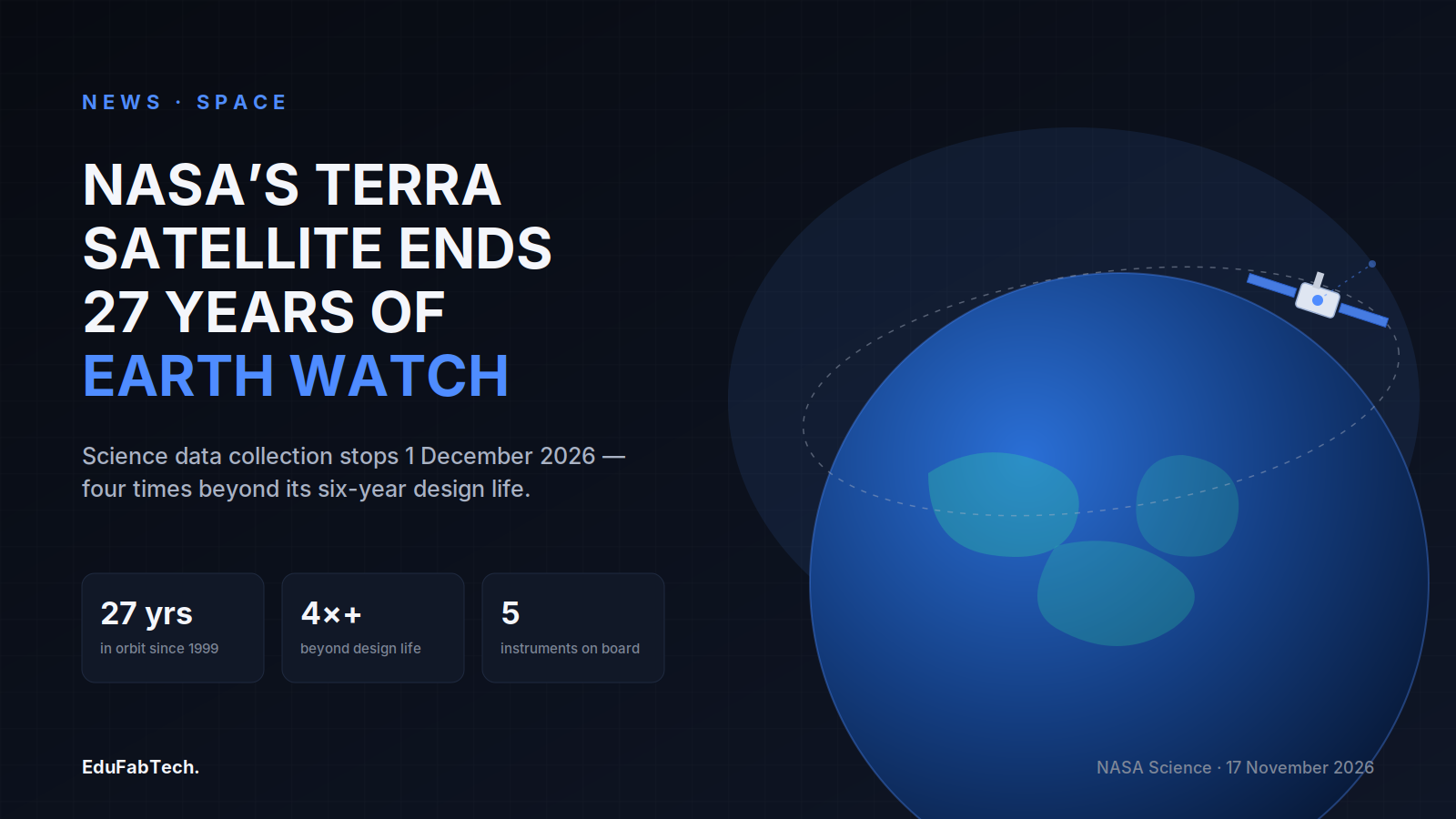
Launched in 1999, the Terra satellite has provided nearly three decades of data on Earth's climate, atmosphere, and oceans.

Researchers at the AIAS+ 2026 symposium discussed how artificial intelligence is outpacing laboratory testing capabilities and the critical need for human-led verification.