Trump Arrives in Asia for ASEAN Summit and Historic Trilateral Nuclear Talks
President Trump begins a high-stakes trip to the Philippines and China, featuring an unprecedented meeting with Xi Jinping and Vladimir Putin to discuss nuclear stockpiles.
Axios, NBC News, Associated Press +2
Updated · 2 min read
Overview
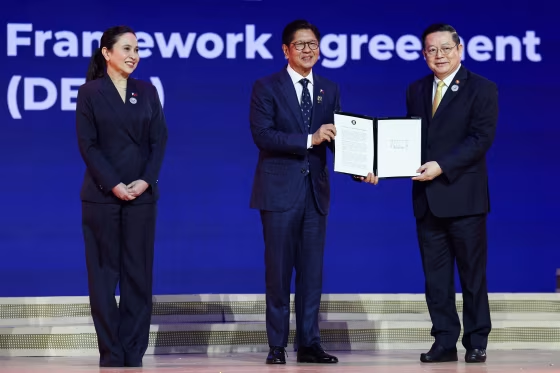
President Donald Trump has arrived in Manila for the annual Association of Southeast Asian Nations (ASEAN) summit, marking the start of a multi-day diplomatic tour through Asia. The trip is designed to address regional trade, including a planned agreement with Thailand, and to counter narratives of declining domestic power following Republican losses in the midterm elections and disruptions in the U.S. aviation and AI industries.
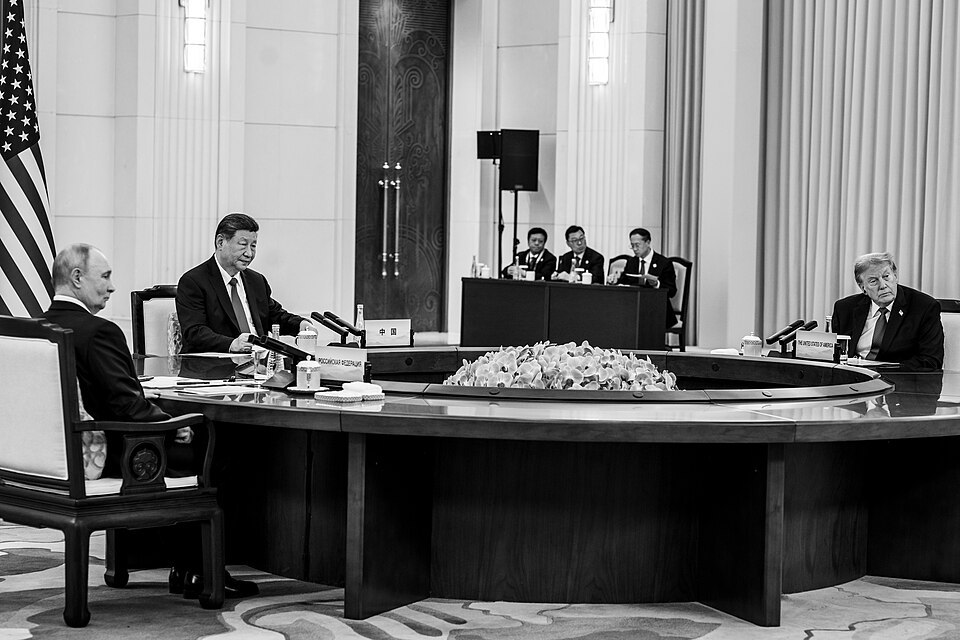
The centerpiece of the tour is a historic, first-ever trilateral summit in China between Trump, Chinese President Xi Jinping, and Russian President Vladimir Putin. While the official agenda focuses on nuclear disarmament and safeguarding world peace, the meeting has sparked significant concern among European allies regarding potential shifts in U.S. policy toward the wars in Ukraine and Iran.
ASEAN Summit and Regional Security
In Manila, Southeast Asian leaders are focusing on resolving the civil war in Myanmar and managing territorial disputes in the South China Sea. Although China and ASEAN have reached agreement on 80% of a non-aggression code of conduct, three contentious issues remain unresolved, pushing the finalization of the pact into next year. Trump is attending as a guest of honor before the regional leadership rotates from the Philippines to Singapore.236
The Trilateral Nuclear Summit
Following the APEC summit in Shenzhen, Trump will meet with Xi and Putin for unprecedented talks specifically aimed at nuclear stockpiles. While U.S. officials claim the war in Ukraine is not on the formal agenda, Trump has indicated he intends to discuss the conflict. There is also a possibility of a meeting with North Korean leader Kim Jong Un if he appears in China during the week.456
Allied Anxiety and Parallel Diplomacy
European diplomats have expressed fear that the trilateral meeting could resemble a "Yalta II," where the three leaders might carve out spheres of influence. To manage these concerns, U.S. envoys Jared Kushner and Steve Witkoff are scheduled to meet with officials from Ukraine, NATO, and several European nations in Berlin on the same day as the summit.1
Key takeaways
- The trilateral meeting between Trump, Xi, and Putin is the first of its kind and officially focuses on nuclear disarmament.
- ASEAN leaders and China failed to finalize a South China Sea code of conduct this year, with 20% of the agreement still disputed.
- Trump plans to sign a new trade deal with Thailand during his trip to the region.
- The ongoing U.S. war with Iran and the five-year conflict in Ukraine are expected to overshadow the diplomatic discussions.
- U.S. allies are concerned that Trump may take positions on Ukraine or Taiwan that undermine Western interests.
Why this matters
This trip represents a major attempt by the Trump administration to reset its international standing amid domestic political setbacks and global economic volatility caused by spiked fuel prices. The trilateral summit could fundamentally alter the global security architecture, particularly regarding nuclear proliferation and the balance of power in Europe and Asia.
Perspectives
How different voices in the coverage frame this story.
European Diplomats
Allies express deep nervousness that the summit optics will project a 'strongman' alliance and fear that any private dialogue between Trump and Putin typically results in negative outcomes for Ukraine.
Source: Axios
Chinese Government
China views the trilateral talks as having 'groundbreaking significance' for promoting global stability and safeguarding world peace.
Source: Associated Press
Original reporting
6 articles from 5 publications. Read the full reporting at the source.
Related stories

Trump, Xi, and Putin Hold Historic Trilateral Summit in Shenzhen
Trump, Xi, and Putin Issue 'Declaration toward Peace' at Historic Trilateral Summit
