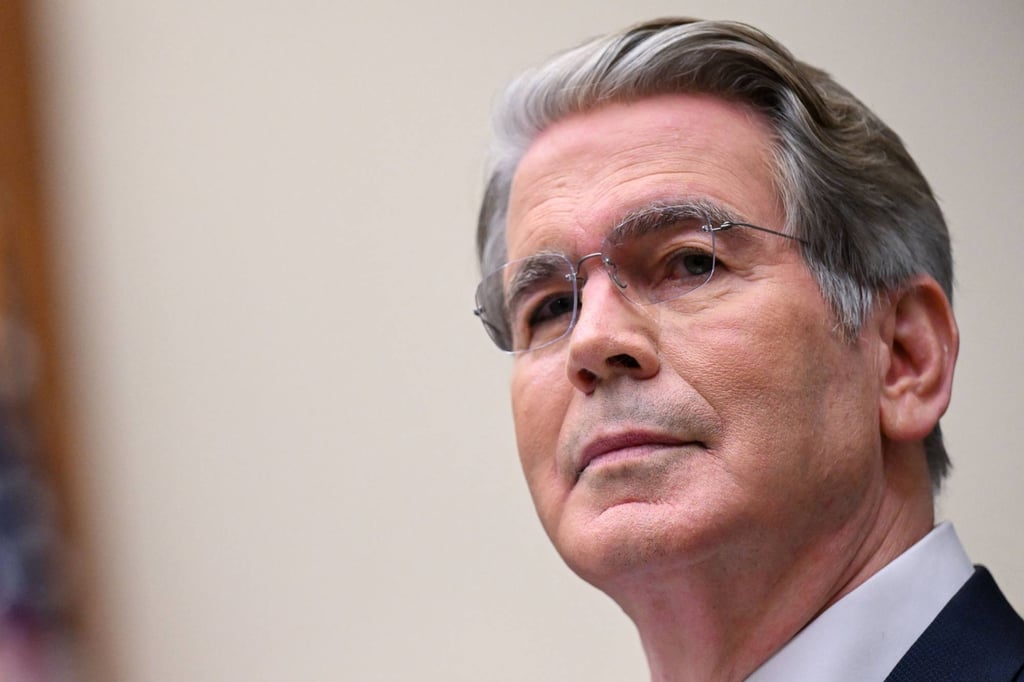
Trump, Xi, and Putin Issue 'Declaration toward Peace' at Historic Trilateral Summit
The U.S., Chinese, and Russian leaders held their first-ever trilateral summit in Shenzhen, resulting in a joint declaration on nuclear stability and energy cooperation.
Diplo, Scmp, The Washington Post +2
Updated · 2 min read
Overview
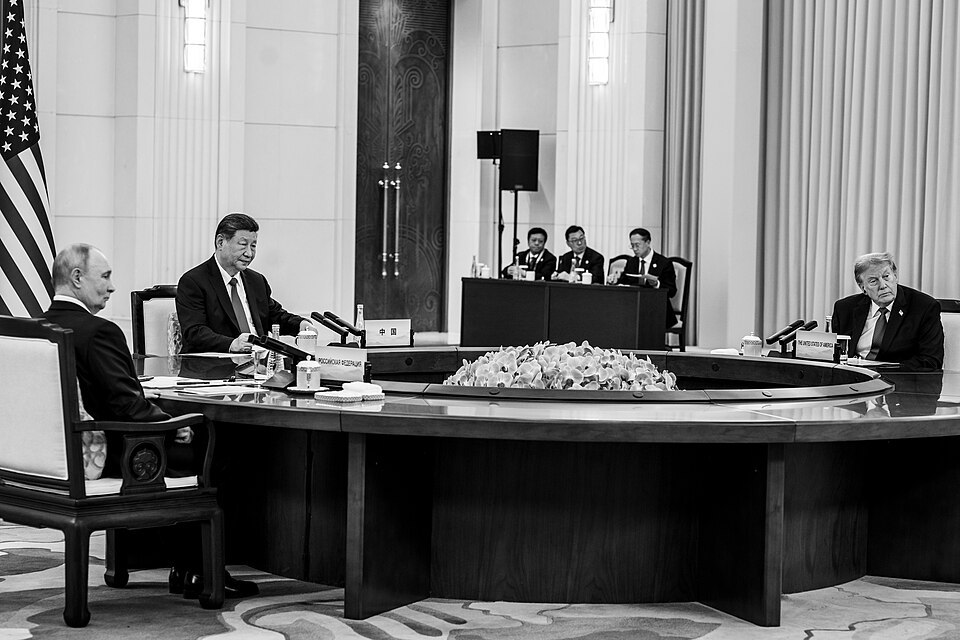
On November 19, 2026, U.S. President Donald Trump, Chinese President Xi Jinping, and Russian President Vladimir Putin convened in Shenzhen, China, for an unprecedented trilateral summit held on the sidelines of the Asia-Pacific Economic Cooperation (APEC) meeting. The leaders engaged in discussions regarding global security and international stability, marking the first time the heads of these three major nuclear powers have met together in a three-way format.
Following the talks, the leaders issued a document titled the "Declaration toward Peace." While the meeting was framed as a historic diplomatic milestone, observers noted that the agenda notably excluded ongoing conflicts in Europe and the Middle East, leading to mixed reactions regarding the substance of the agreements reached.
The Joint Declaration
The "Declaration toward Peace" emphasized that "nuclear war cannot be won and must never be fought" and expressed a commitment to maintaining strategic stability. President Trump highlighted the unique position of the three nations to discuss reducing nuclear weapons globally and combating proliferation. Additionally, the leaders announced plans to increase the production and supply of petroleum.14
Diplomatic Reception and Criticism
President Trump compared the summit to the 1945 Yalta Conference, though the meeting faced skepticism from international observers. German Chancellor Friedrich Merz argued that a "Yalta" format would not resolve current conflicts, while the Arms Control Association noted that the declaration required more than rhetoric to be effective. Critics also pointed out that the summit avoided addressing active wars in Europe and the Middle East.15
Key takeaways
- This was the first-ever trilateral summit between the leaders of the U.S., China, and Russia.
- The leaders issued a 'Declaration toward Peace' affirming that nuclear war must never be fought.
- The agreement included plans to increase the production and supply of petroleum.
- The summit agenda did not address ongoing wars in Europe and the Middle East.
Why this matters
The summit represents a significant shift in global diplomacy as the world's three largest nuclear powers attempt to coordinate on strategic stability. The meeting highlights the competing visions of the international order held by the three nations and raises questions about the efficacy of great-power diplomacy in addressing active global conflicts.
Perspectives
How different voices in the coverage frame this story.
Proponents
President Trump stated that no peace could be forged without engaging in such opportunities, while President Xi noted that harmony among major powers is essential for global peace.
Source: Diplo
Critics
German Chancellor Friedrich Merz expressed doubt that this diplomatic format would bring peace, and analysts suggested the summit offered a 'sanitized' view of diplomacy by avoiding discussion of active wars.
Source: Diplo, The Atlantic
Original reporting
6 articles from 5 publications. Read the full reporting at the source.
Related stories

Trump, Xi, and Putin Hold Historic Trilateral Summit in Shenzhen

US, China, and Russia Issue Joint Peace Declaration at Shenzhen Summit