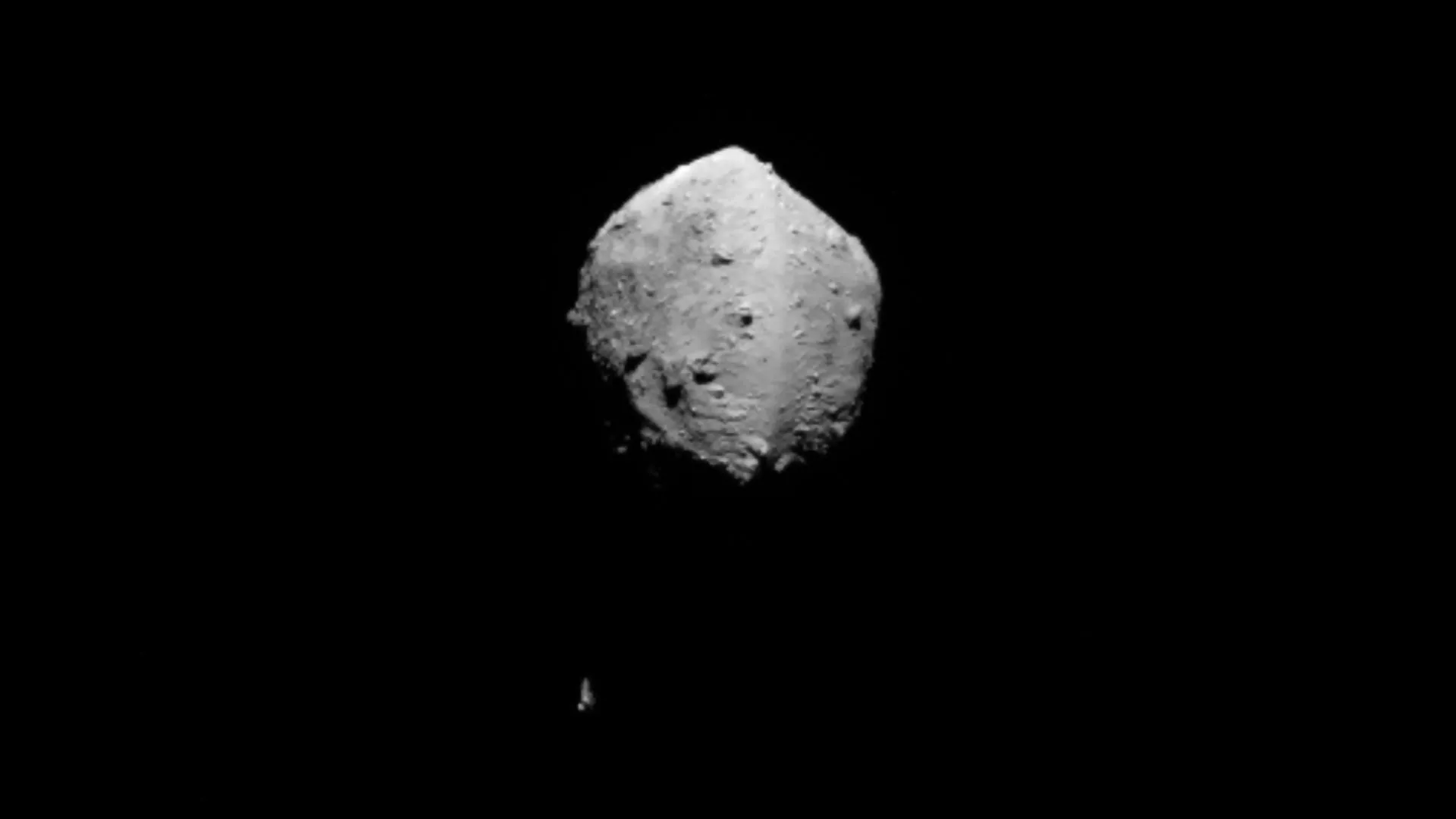
How Voyager 1 Transformed Scientific Understanding of the Jupiter System
NASA's Voyager 1 mission revealed Jupiter's atmosphere as a dynamic system of counter-rotating bands and discovered the first active extraterrestrial volcano on the moon Io.
Live Science
Updated · 2 min read
Overview
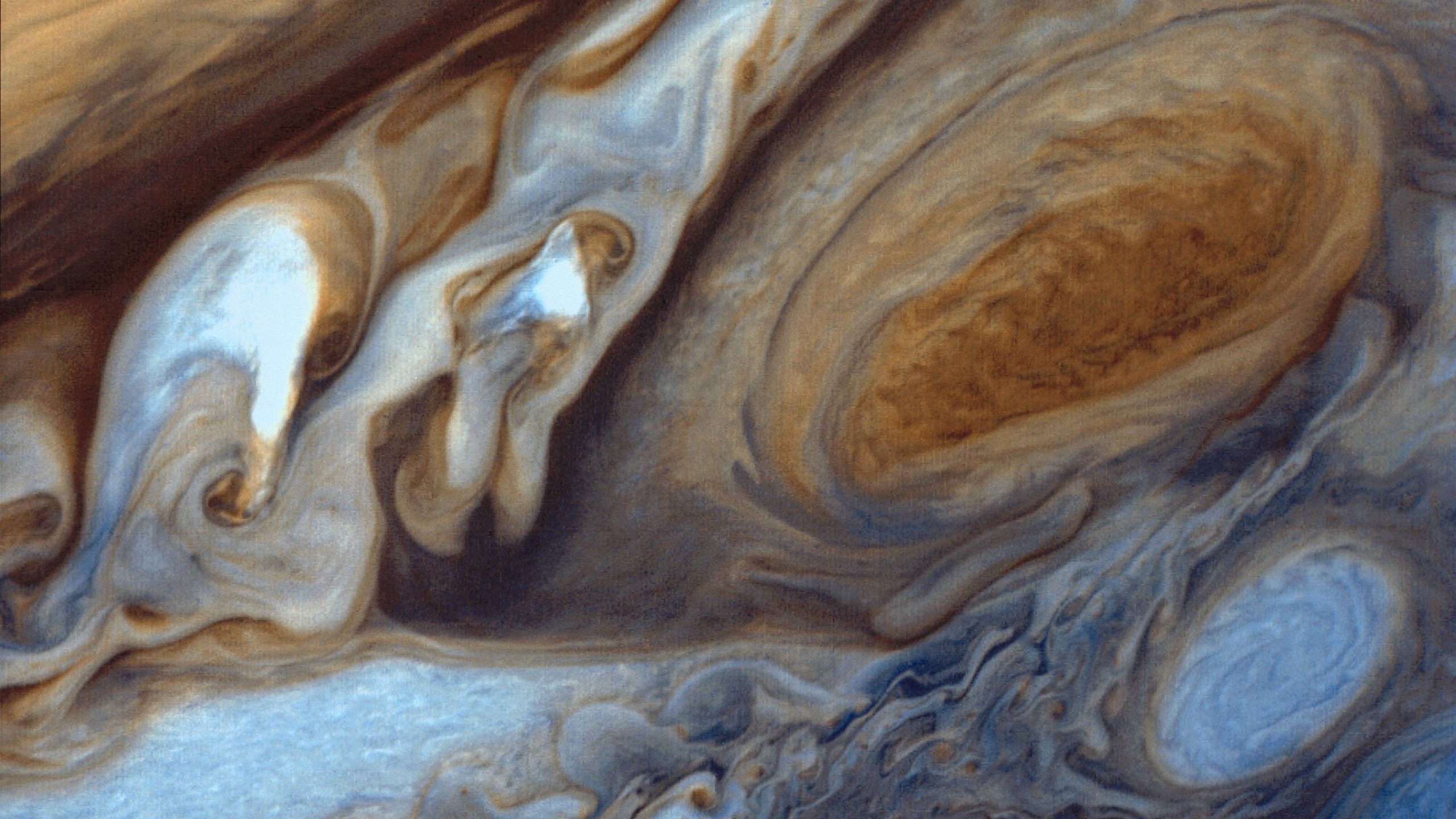
NASA's Voyager 1 probe fundamentally altered the scientific perception of Jupiter, shifting the view of the gas giant from a distant point of light to a complex, fully realized world. By capturing high-resolution imagery and time-lapse footage, the mission provided a comprehensive look at the planet's atmospheric behavior and its diverse moons.
The mission's findings built upon earlier data from the Pioneer 10 and 11 probes, revealing a system far more chaotic than previously understood. These discoveries have paved the way for future exploration, including recently announced international plans to land on Jupiter's moons.
Atmospheric Dynamics
Voyager 1 observed discrete bands in Jupiter's atmosphere spinning at various speeds and in different directions. Time-lapse footage covering approximately 60 Jupiter days showed clouds moving like conveyor belts alongside planet-sized storms, proving the atmosphere is significantly more dynamic than astronomers had realized.1
Volcanic Discovery on Io
The mission captured the first volcanic eruption ever seen on another world, identifying a blue eruption on the moon Io. This discovery, along with other close-up observations, redefined Jupiter's moons as complex environments rather than simple celestial dots.1
Legacy and Future Exploration
The detailed mapping provided by Voyager 1 established Jupiter and its moons as viable locations for direct exploration. Following this legacy, China's space agency recently announced intentions to send a lander to the moon Callisto, which would mark the first-ever landing mission in the Jupiter system.1
Key takeaways
- Voyager 1 captured 60 Jupiter days of footage, revealing complex atmospheric bands and storms.
- The mission discovered the first active volcano outside of Earth on the moon Io.
- Observations showed Jupiter's system to be more chaotic and dynamic than indicated by earlier Pioneer missions.
- China has announced plans for the first-ever landing mission to Jupiter's moon Callisto.
Why this matters
Voyager 1's observations transformed Jupiter and its moons into mapped worlds, setting the stage for modern planetary science. These findings continue to influence current space agency priorities, such as the pursuit of the first landing on a Jovian moon.
Original reporting
1 article from 1 publication. Read the full reporting at the source.
Related stories
New Scientific Discoveries: Rapid Pulsar Detection and Potential Mars Surface Water
NASA's ESCAPADE Mission Completes Earth Flybys and Begins Transit to Mars