Early-Life High-Fat Diet Linked to Altered T Cell Development
Research indicates that exposure to high-fat diets during early development may permanently impact immune system function by altering T cell differentiation.
Nature
Updated · 2 min read
Overview
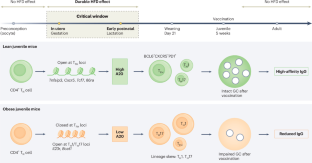
A study published in Nature reveals that a high-fat diet consumed in utero or during early life can significantly alter the development of CD4+ T cells. This biological change appears to be specific to early developmental stages, as the same effect is not observed when high-fat diets are introduced during adulthood.
The research identifies a specific mechanism involving the ubiquitin-editing enzyme A20. When this enzyme is silenced in CD4+ T cells due to early-life dietary factors, it impairs the differentiation of T follicular helper cells, which are critical for an effective immune response to vaccines.
Impact on Immune Response
The silencing of the A20 enzyme in CD4+ T cells disrupts the body's ability to produce T follicular helper cells. This disruption ultimately blunts the immune system's response to vaccinations. The findings suggest that early-life nutritional environments play a foundational role in shaping long-term immune health.1
Developmental Sensitivity
The study highlights a critical window of vulnerability during early development. While early-life obesity or high-fat intake triggers these specific T cell modifications, the same dietary conditions in adulthood do not produce the same silencing effect on the A20 enzyme. This distinction underscores the unique sensitivity of the developing immune system to metabolic environments.1
Key takeaways
- High-fat diets in utero or early life silence the A20 enzyme in CD4+ T cells.
- This silencing effect does not occur when high-fat diets are consumed only in adulthood.
- The loss of A20 activity impairs T follicular helper cell differentiation.
- These immune system changes can result in a blunted response to vaccines.
Why this matters
Understanding how early-life nutrition influences immune development is critical for public health. These findings suggest that metabolic conditions in childhood may have lasting consequences for vaccine efficacy and overall immune function.
Original reporting
1 article from 1 publication. Read the full reporting at the source.
Related stories

Researchers Investigate Why Weight-Loss Drugs Like Ozempic Vary in Effectiveness
Analyzing Global Obesity Trends and Health Impacts