Researchers Identify CASS4 Protein as Potential Factor in Alzheimer's Disease Progression
A study at the University of Virginia explores how the CASS4 protein influences the brain's immune response and the accumulation of harmful plaques.
ScienceDaily
Updated · 2 min read
Overview
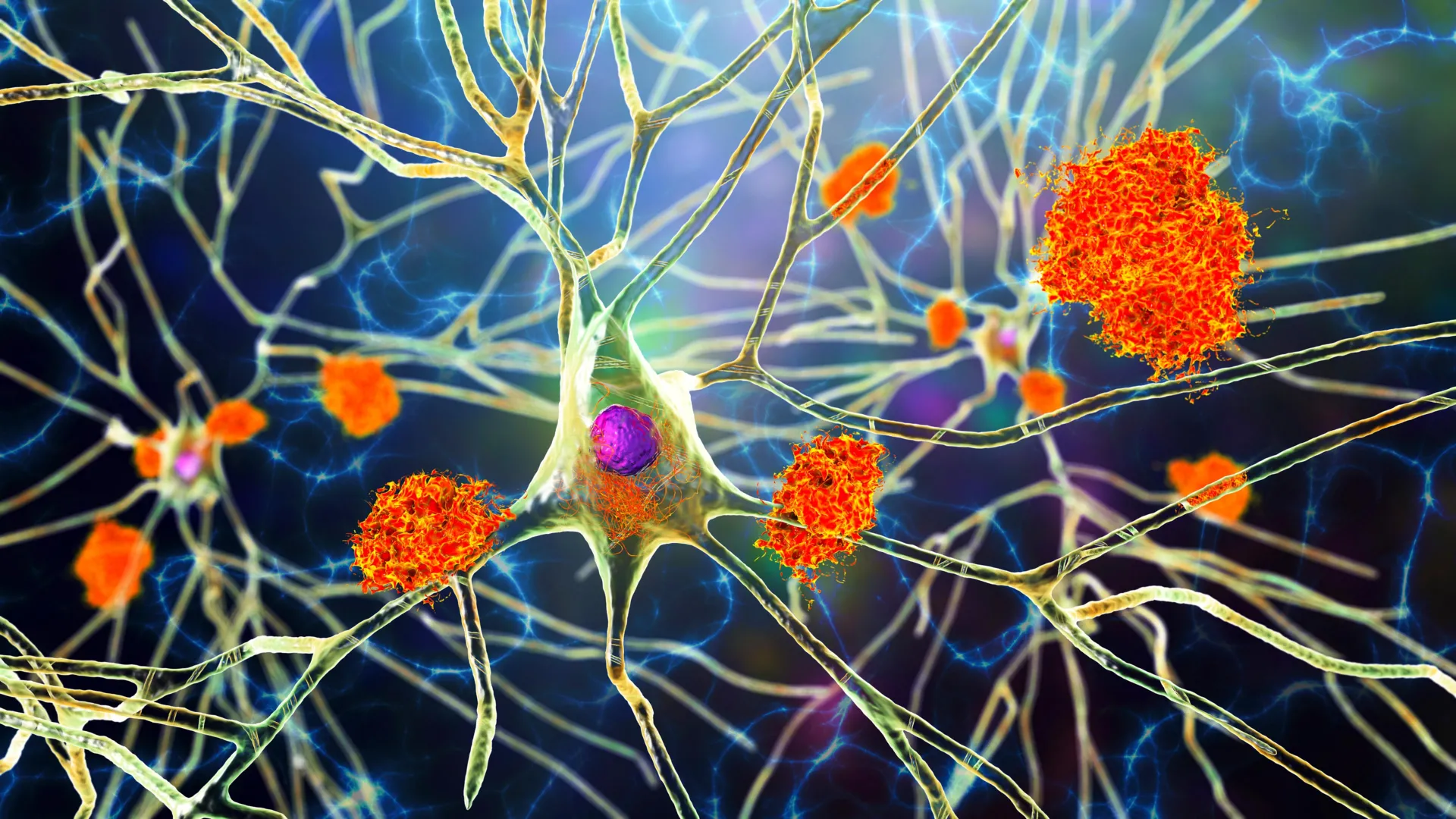
Researchers at the University of Virginia have identified a potential flaw in the brain's cleanup system related to the CASS4 protein. The study suggests that defective activity of this protein may contribute to the buildup of plaques and neuronal damage associated with Alzheimer's disease.
The research was conducted through the Harrison Family Translational Research Center in Alzheimer's and Neurodegenerative Diseases. While the initial findings were observed in mouse models, they point toward new possibilities for early detection and therapeutic intervention in human patients.
The Role of CASS4 in Brain Health
The study investigated how the CASS4 protein affects the brain's immune defenses. Findings indicate that when CASS4 activity is defective, it can lead to increased plaque buildup and cognitive decline.1
Translational Research Efforts
The work is part of a broader initiative at UVA's Paul and Diane Manning Institute of Biotechnology to turn laboratory discoveries into medical treatments. Researchers are exploring whether CASS4 could serve as an early warning sign for those at risk of neurodegenerative diseases.1
Key takeaways
- Defective CASS4 activity is linked to increased plaque buildup and neuronal damage in mice.
- The CASS4 protein may serve as a future early warning sign for Alzheimer's risk.
- Research was conducted at UVA's Harrison Family Translational Research Center.
- Further testing is required to determine if targeting CASS4 will produce protective effects in humans.
Why this matters
Understanding the brain's immune system and its cleanup mechanisms offers a new pathway for developing Alzheimer's therapies. Identifying early biological markers like CASS4 could allow for medical intervention before serious symptoms develop.
Perspectives
How different voices in the coverage frame this story.
Scientific Caution
While the results are promising, researchers emphasize that the experiments were conducted in mice and the potential for human treatments remains to be tested.
Source: ScienceDaily
Original reporting
1 article from 1 publication. Read the full reporting at the source.
Related stories
Research Highlights Sex-Specific Biological Factors in Alzheimer’s Disease and Chronic Pain

Scientists Identify Potential Blood Marker for Diagnosing C.T.E. in Living Patients