Analyzing Global Obesity Trends and Health Impacts
A comprehensive analysis examines the global burden of obesity and its associated health risks across 204 countries and territories.
Nature
Updated · 2 min read
Overview
Recent research utilizes data from the Global Burden of Disease Study to assess the prevalence of obesity and malnutrition worldwide. This analysis covers 204 countries and territories, providing a framework for understanding how dietary risks and metabolic factors contribute to major health outcomes.
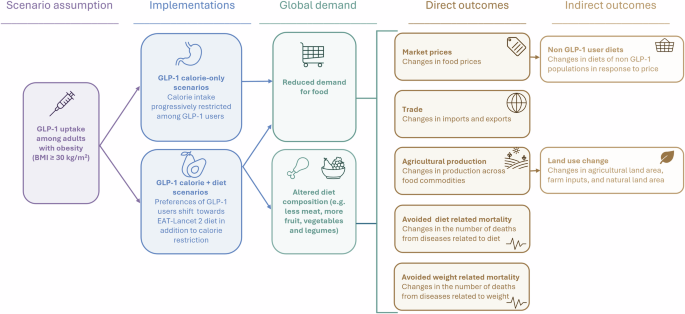
The study quantifies the impact of obesity on adult populations aged 20 and older. By evaluating specific risk factors, researchers aim to calculate the potential number of deaths avoided by addressing these health challenges.
Scope of the Analysis
The research draws on data from the Global Burden of Disease Study 2017 and 2019, as well as the World Obesity Atlas 2025. It examines 84 behavioral, environmental, occupational, and metabolic risks across 195 to 204 countries and territories. The study specifically tracks dietary risks, including the consumption of red meat, fruits, vegetables, nuts, and legumes.1
Quantifying Health Outcomes
The analysis focuses on the adult population aged 20 and older to determine the relationship between obesity and major diseases. These include cardiovascular diseases, type 2 diabetes, cancers, and respiratory diseases. Researchers utilize a specific calculation method to estimate the number of deaths avoided by mitigating these risk factors within different populations.1
Key takeaways
- The study analyzes data from 204 countries and territories regarding malnutrition and obesity trends.
- Key dietary risks examined include the intake of red meat, fruits, vegetables, nuts, and legumes.
- Obesity is linked to major health conditions such as type 2 diabetes, cardiovascular diseases, cancers, and respiratory diseases.
- The research quantifies the impact of metabolic and behavioral risks on adult populations aged 20 and older.
Why this matters
Understanding the global burden of obesity is essential for quantifying its impact on chronic diseases and mortality. This data-driven approach helps identify the specific dietary and metabolic risks that contribute to major health challenges worldwide.
Original reporting
1 article from 1 publication. Read the full reporting at the source.
Related stories

New Research Links Prolonged Sitting and Shifting Disease Burdens to Global Health Challenges

Researchers Investigate Why Weight-Loss Drugs Like Ozempic Vary in Effectiveness