SpaceX Secures $32 Billion in Debt to Fund Artificial Intelligence Chip Acquisition
SpaceX has completed a massive debt sale to finance AI hardware, as industry forecasts predict wafer-fab equipment spending will exceed $200 billion by 2027.
Bloomberg, CNBC
Updated · 2 min read
Overview
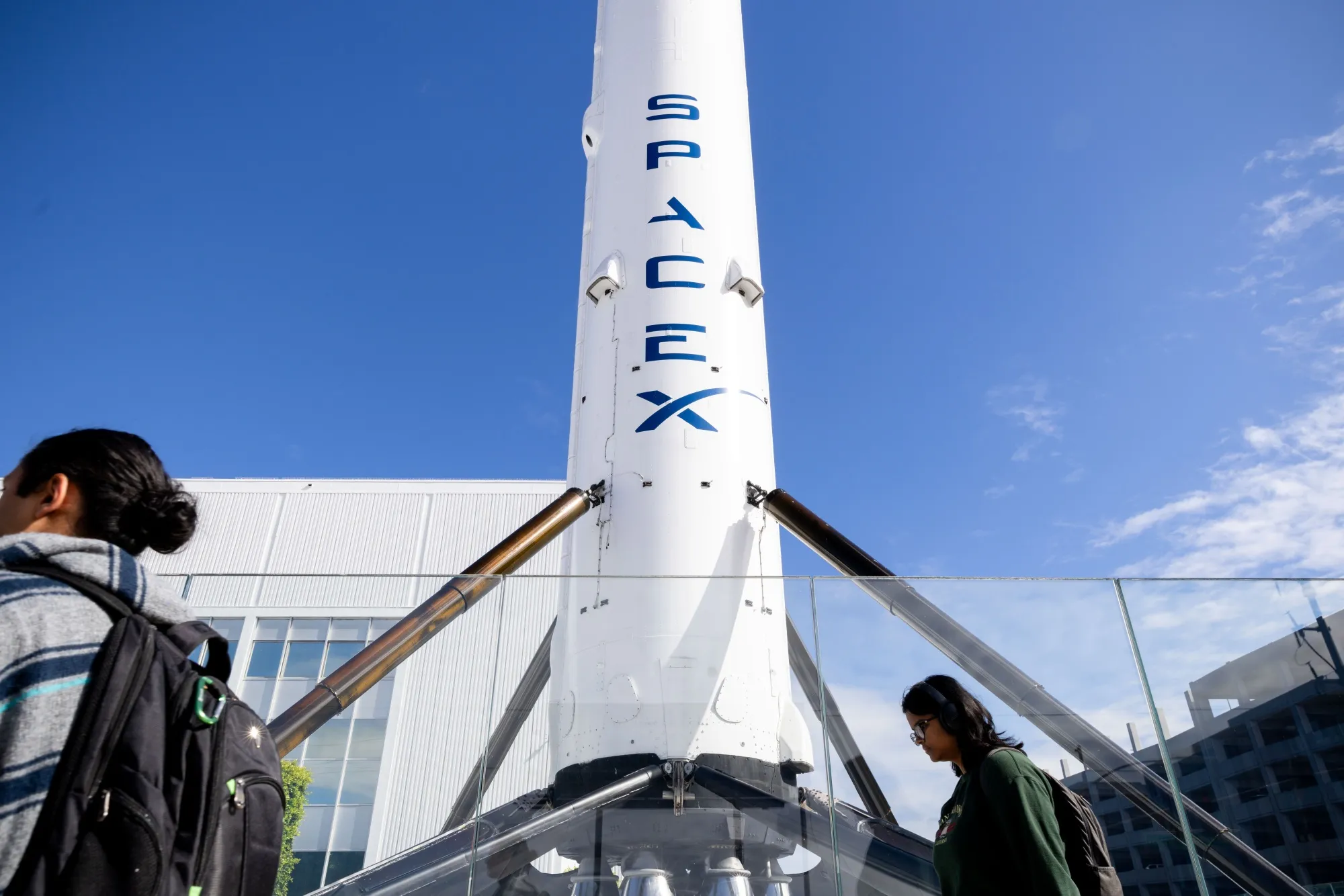
SpaceX has finalized a $32 billion debt deal specifically designed to fund its access to artificial intelligence chips. This transaction is part of a larger $40 billion financing package that includes bank loans, structured to keep the borrowing off the company's primary balance sheet. The deal is being viewed as a potential blueprint for future financing in the AI sector.
Simultaneously, the broader semiconductor industry is preparing for a significant surge in infrastructure investment. Lam Research projects that spending on wafer-fab equipment will surpass $200 billion in 2027, driven by AI demand that is currently outpacing the industry's capacity to supply necessary hardware.
High-Yield Financing for AI Hardware
The bulk of SpaceX's $32 billion debt offering was sold at yields exceeding 8%. These rates are higher than those typically associated with investment-grade debt, reflecting investor concerns regarding whether massive AI spending will ultimately be profitable.1
Projected Growth in Semiconductor Infrastructure
Lam Research expects wafer-fab equipment spending to surge next year as the industry struggles to meet AI-driven demand. The company's Chief Financial Officer, Doug Bettinger, anticipates that this spending will top $200 billion by 2027.2
Key takeaways
- SpaceX raised $32 billion through a complex debt offering to secure AI chips.
- The debt yields topped 8%, indicating a high cost of borrowing for AI-related financing.
- The total financing package for SpaceX's chip access exceeds $40 billion when including bank loans.
- Wafer-fab equipment spending is forecast to exceed $200 billion in 2027 due to AI demand.
Why this matters
The SpaceX deal establishes a high-cost precedent for how major tech firms might finance the hardware necessary for the AI boom. It also highlights the massive scale of capital required to maintain a competitive edge in AI infrastructure as demand outstrips current supply capacity.
Perspectives
How different voices in the coverage frame this story.
Investor Sentiment
Investors are demanding yields above 8% for AI-related debt, signaling skepticism or caution regarding the long-term payoff of these massive capital expenditures.
Source: Bloomberg
Industry Supply Chain
Equipment manufacturers like Lam Research see the current supply-demand imbalance as a catalyst for record-breaking capital investment in manufacturing facilities through 2027.
Source: CNBC
Original reporting
2 articles from 2 publications. Read the full reporting at the source.
Related stories
Goldman Sachs and Apollo Test New Debt Model for AI Chip Financing

Tech Sector Volatility and Leadership Changes Spark Concerns Over Artificial Intelligence Market Bubble
