Goldman Sachs and Apollo Test New Debt Model for AI Chip Financing
A $32 billion bond sale for SpaceX combines corporate and asset-backed security features to fund hardware without damaging balance sheets.
Bloomberg
Updated · 2 min read
Overview
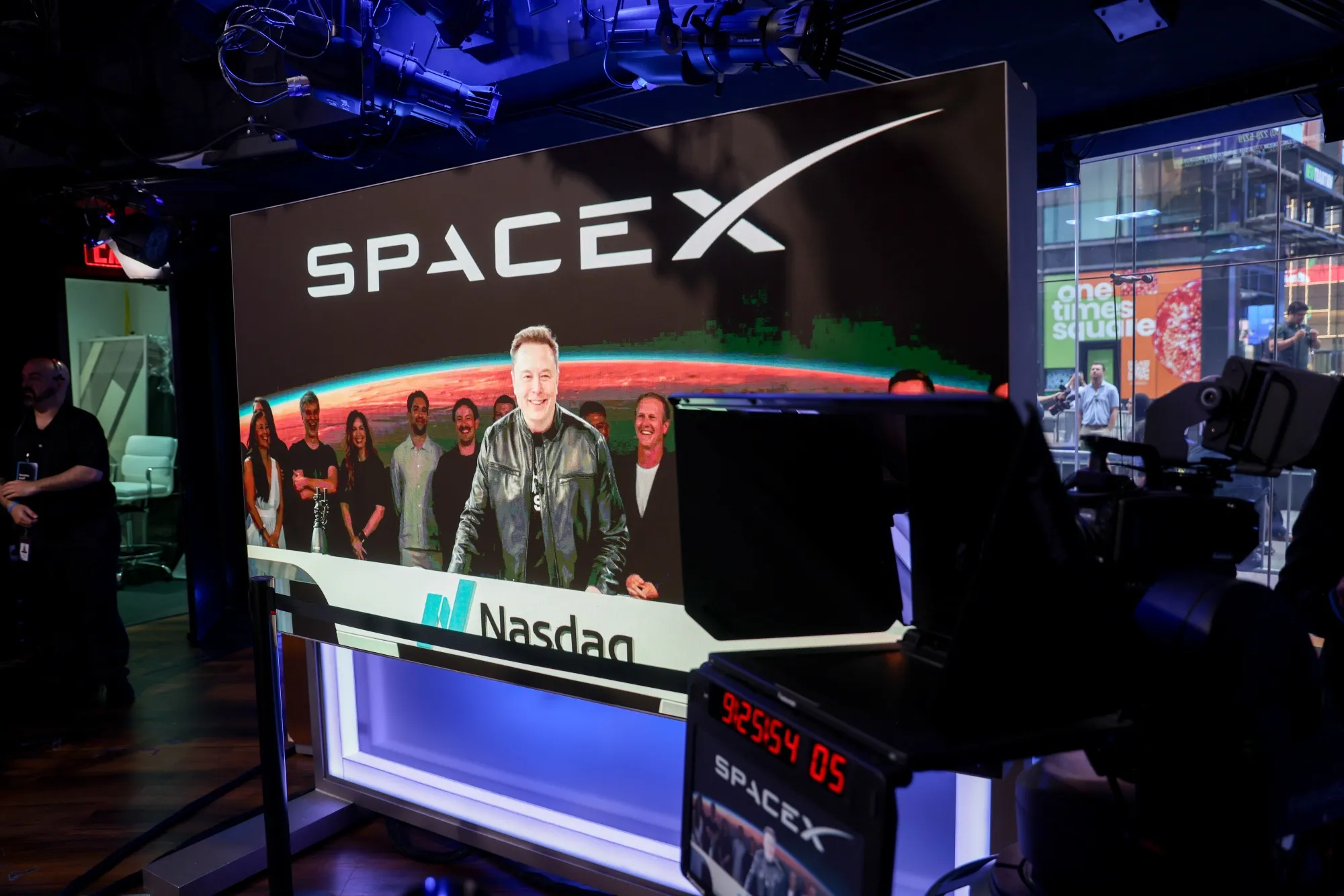
Goldman Sachs Group Inc. and Apollo Global Management Inc. have introduced a new financing structure designed to address the high costs of artificial intelligence infrastructure. The model was tested through a $32 billion bond pricing for SpaceX, aiming to solve the challenge of purchasing expensive chips without negatively impacting corporate balance sheets.
The bank spent over a year developing this solution, which blends characteristics of traditional corporate bonds with asset-backed securities. While the debt carries a high cost for the borrower, it is being positioned as a potential blueprint for how other technology giants might finance future hardware acquisitions.
A Hybrid Financing Structure
The $32 billion bond deal for SpaceX utilizes a hybrid approach that incorporates elements of both corporate debt and asset-backed securities. This structure is intended to help technology companies manage the massive capital expenditures required for AI chips while protecting their overall financial health.1
Industry Implications
Goldman Sachs spent more than a year refining this pitch to address the 'AI debt puzzle.' The successful pricing of the SpaceX bonds suggests this model could become a standard for other major tech firms looking to scale their AI capabilities through significant hardware investments.1
Key takeaways
- Goldman Sachs and Apollo Global Management priced $32 billion in bonds for SpaceX.
- The debt structure combines features of corporate bonds and asset-backed securities.
- The model aims to fund AI chip purchases without damaging corporate balance sheets.
- Goldman Sachs spent over a year developing this specific financing solution.
Why this matters
As tech companies face immense costs for AI hardware, traditional debt can strain balance sheets. This new hybrid model provides a potential pathway for sustainable, large-scale infrastructure investment in the semiconductor and AI sectors.
Perspectives
How different voices in the coverage frame this story.
Financial Architects
Goldman Sachs views this as a necessary solution to a major industry headache, providing a way to fund essential tech upgrades through a specialized credit model.
Source: Bloomberg
Original reporting
1 article from 1 publication. Read the full reporting at the source.
Related stories
SpaceX Secures $32 Billion in Debt to Fund Artificial Intelligence Chip Acquisition

Nvidia Halts AI Chip Shipments to China Despite US Export Approval