Secondary Sales Emerge as a Key Liquidity Route for Indian Startup Investors
While IPOs and acquisitions dominate headlines, secondary sales are increasingly providing early investors with liquidity before companies go public.
Updated · 2 min read

Overview
In the Indian startup ecosystem, early investors are increasingly utilizing secondary sales to achieve liquidity rather than waiting for traditional exits like IPOs or acquisitions. This method allows investors to exit their positions without requiring the company to reach a public market milestone.
Secondary transactions are becoming a preferred route, with 41% of Indian investors now identifying them as their primary exit strategy. This shift highlights the importance of intentional cap table design for founders seeking to attract high-quality investors.
The Rise of Secondary Exits
Secondary sales allow early backers to realize significant returns before a company goes public. For example, early investors in Zepto achieved returns as high as 6,000% through secondary exits, bypassing the need for an IPO or acquisition. This approach provides a mechanism for liquidity that does not disrupt company operations. [s1]1
Strategic Implications for Founders
Founders are encouraged to view their cap table as a list of stakeholders who will eventually require liquidity. By facilitating easier paths to liquidity, founders can attract better investors and maintain a cleaner company structure. However, secondary transactions introduce new diligence requirements, as new buyers must evaluate the company's execution, founder track record, and public claims. [s1]1
Key takeaways
- 41% of Indian investors now prefer secondary deals as their primary exit route.
- Secondary sales allow investors to exit without waiting for an IPO or acquisition.
- Early Zepto investors saw returns as high as 6,000% through secondary exits.
- Secondary transactions require new due diligence on company execution and founder track records.
Why this matters
Secondary sales are reshaping how startups manage investor relations and liquidity. By providing an alternative to traditional exits, this model allows founders to manage investor expectations and cap tables more effectively while maintaining operational stability.
Original reporting
1 article from 1 publication. Read the full reporting at the source.
Related stories
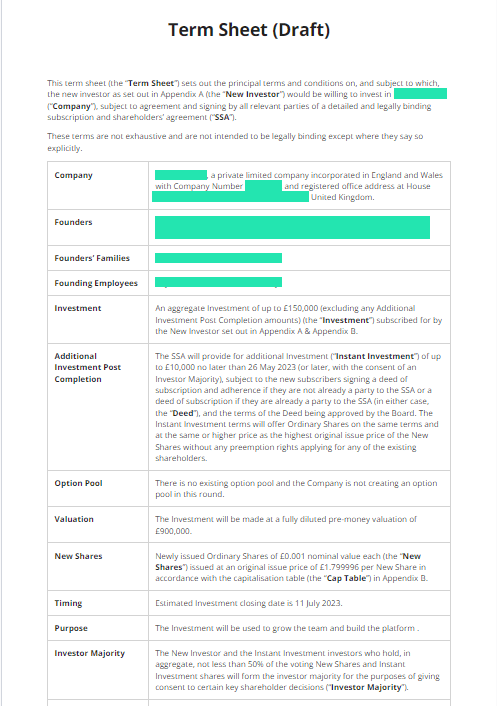
Key Term Sheet Provisions and Strategic Investors in Tech Startup Seed Funding

Understanding Tuck-In Acquisitions and the Rise of Made-to-Order Startups
