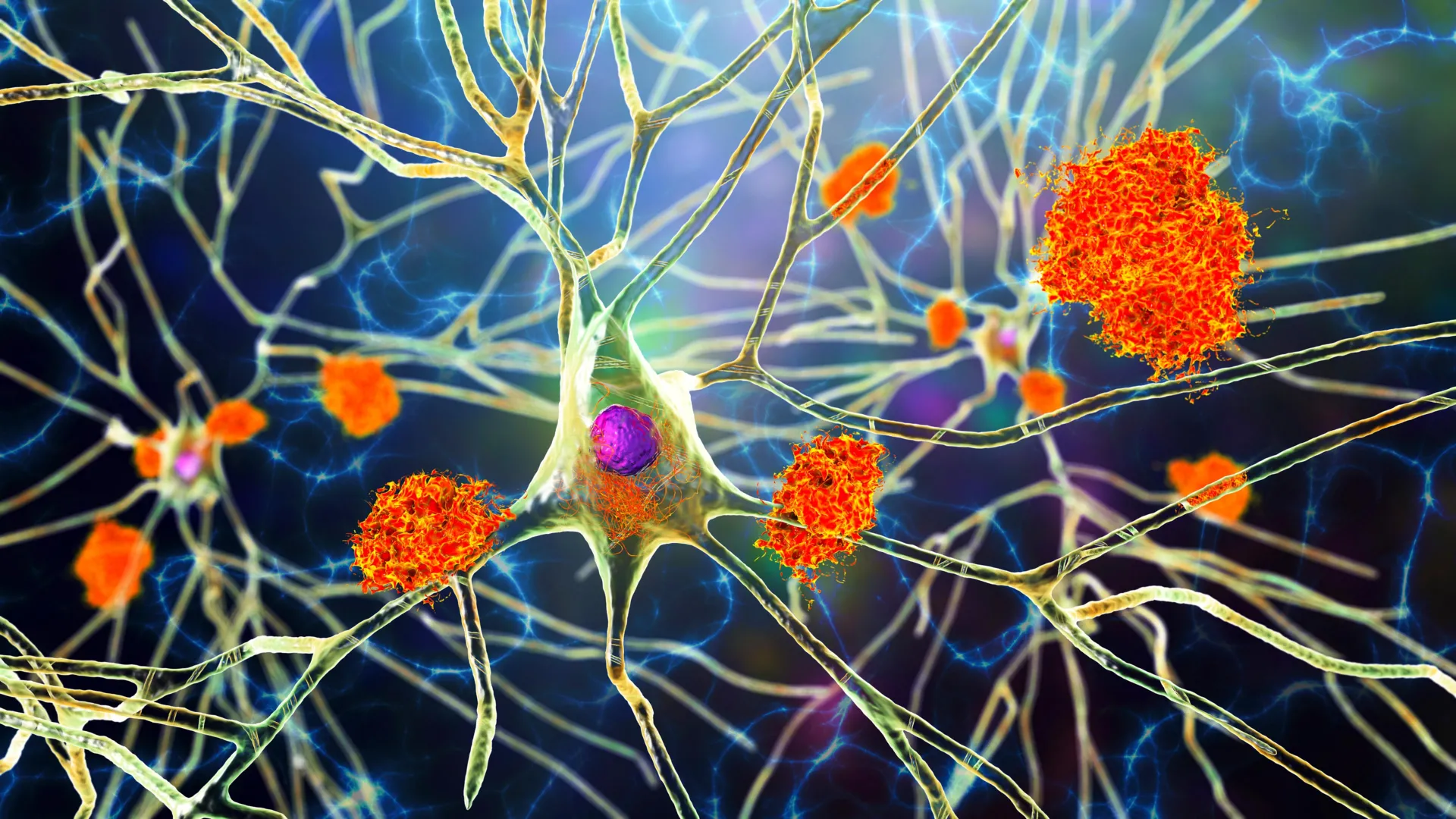
Research Explores Hypothalamic Changes in Aging and Alzheimer’s Disease
A new study investigates how the hypothalamus changes during aging and Alzheimer’s disease, offering a framework for understanding potential therapeutic interventions.
Nature
Updated · 2 min read
Overview
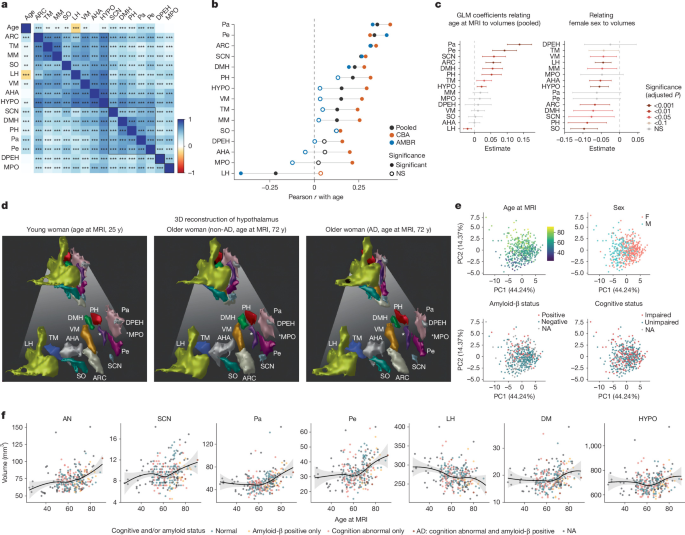
Recent research published in Nature examines the role of the hypothalamus in aging and Alzheimer’s disease (AD). While previous studies have primarily focused on the hippocampus and cortex, this work highlights the importance of investigating understudied brain regions to better understand the full spectrum of disease mechanisms.
The study introduces "HypoAD," a framework designed to explore hypothalamic dysfunction. By linking lifestyle and behavioral changes to specific molecular and volumetric pathways, the research aims to establish a roadmap for targeted interventions that could potentially mitigate physiological disruptions and slow disease progression.
Expanding the Focus of Alzheimer’s Research
Alzheimer’s disease research has historically concentrated on the hippocampus and cortex. Because the effects of the disease on other brain regions remain poorly understood, researchers emphasize that studying these areas is crucial for developing new therapeutics. This study seeks to address that gap by focusing on the hypothalamus.1
The HypoAD Framework
The researchers developed the HypoAD framework to investigate hypothalamic dysfunction. This approach connects lifestyle and behavioral changes to relevant volumetric and molecular pathways. It serves as a roadmap for identifying targeted interventions aimed at slowing the progression of the disease through the mitigation of physiological disruptions.1
Key takeaways
- Alzheimer’s disease research has traditionally focused on the hippocampus and cortex, leaving other brain regions like the hypothalamus understudied.
- The HypoAD framework is designed to investigate hypothalamic dysfunction in the context of aging and Alzheimer’s.
- The study links lifestyle and behavioral changes to specific molecular and volumetric pathways in the brain.
- The research aims to create a roadmap for targeted interventions that could potentially slow disease progression.
Why this matters
Understanding the full spectrum of Alzheimer’s disease mechanisms is essential for developing effective new treatments. By shifting focus to the hypothalamus, this research provides a new framework that may lead to targeted interventions for patients.
Original reporting
1 article from 1 publication. Read the full reporting at the source.
Related stories

Scientists Identify Potential Blood Marker for Diagnosing C.T.E. in Living Patients

Research Highlights Sex-Specific Biological Factors in Alzheimer’s Disease and Chronic Pain