Patient Satisfaction and Emotional Responses to Direct Electronic Genetic Test Results
A study examines how patients perceive and emotionally react when receiving genetic testing results directly through electronic portals.
Nature
Updated · 2 min read
Overview
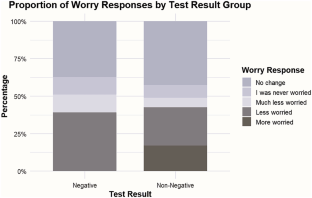
The research investigates the impact of direct electronic release of genetic testing results on patient satisfaction and emotional well-being. It explores the intersection of patient-centered care and digital health communication, focusing on how immediate access to complex medical data influences patient engagement.
The study situates itself within a broader context of patient perceptions regarding online portals, referencing previous research on laboratory test notifications and the general shift toward increased patient access to medical information.
Patient-Centered Digital Communication
The research builds on existing studies regarding patient preferences for receiving laboratory test results. It examines the efficacy of online patient portals as a primary method for delivering sensitive information, such as genetic testing results. The study aims to understand how this direct access affects patient activation and engagement in their own healthcare journeys [s1].1
Evaluating Emotional and Satisfaction Outcomes
The study analyzes patient satisfaction levels following the electronic release of genetic data. It also considers the emotional responses triggered by receiving these results without immediate physician mediation. By reviewing previous literature on portal usage, the researchers highlight the complexities of patient understanding and the potential for misunderstandings regarding genetic disease [s1].1
Key takeaways
- The study focuses on the direct electronic release of genetic testing results to patients.
- Research examines the relationship between immediate access to test results and patient satisfaction.
- The study considers emotional responses as a key factor in patient-centered care.
- Previous research on online portal usage for laboratory results provides the foundation for this analysis.
Why this matters
This research is significant for understanding how digital health tools impact patient experiences with sensitive genetic information. It highlights the balance between providing patient autonomy through direct access and ensuring emotional support and accurate interpretation of complex medical data.
Original reporting
1 article from 1 publication. Read the full reporting at the source.
Related stories
New Dataset Details Cardiovascular Comorbidities in Chinese Cancer Patients
New Genomic Research Advances Polygenic Risk Prediction Methods