Grok Bot Engineer Reports 4,000 Monthly Pull Requests via Autonomous Agent Loops
Lauren Tan of the Grok Bot core team says AI agents now produce code faster than human organizations can decide what to build.
Biggo
Updated · 2 min read
Overview
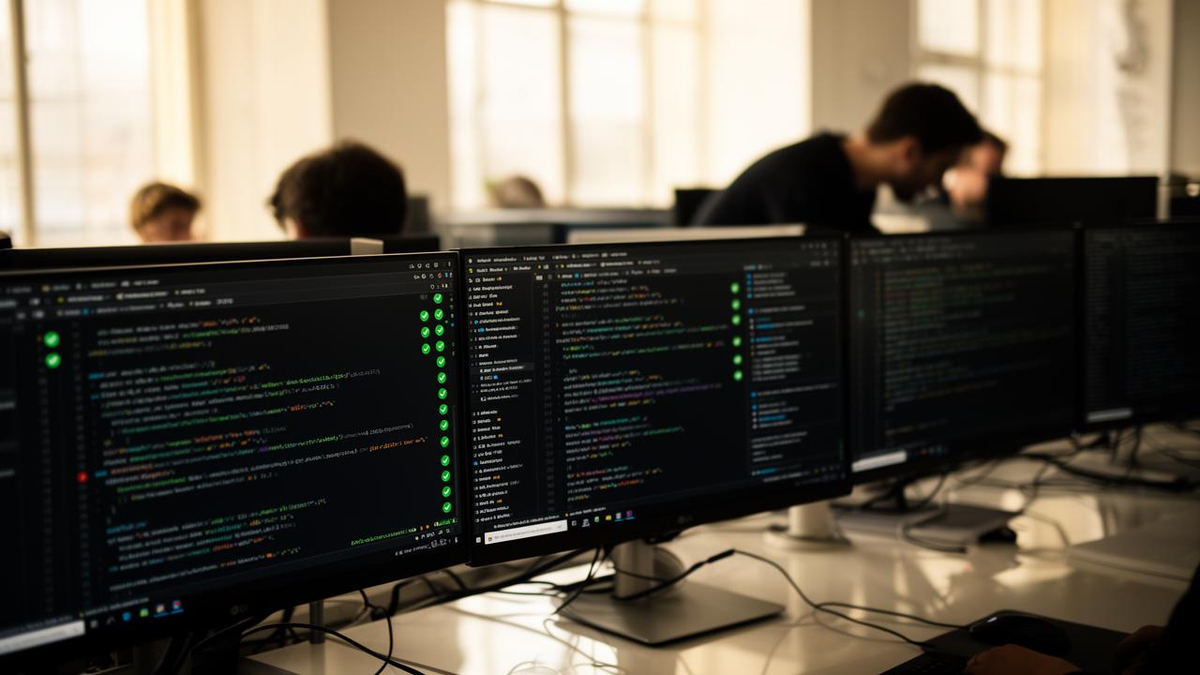
Lauren Tan, an engineer on the Grok Bot core team at SpaceX's AI division, reports that her agent loop now generates approximately 4,000 pull requests per month. This output is double the volume shown in a previous demo and has shifted the primary development bottleneck from technical execution to product decision-making.
The Grok Bot architecture is built on the principle that bots are the core primitive of the product. These agents are designed to be 'always on' and are provided with the same tools as human engineers, including dedicated computers, to allow them to contribute proactively rather than waiting for specific prompts.
Architectural Principles
The development of Grok Bot follows three core principles: bots are the primary unit of the system, each bot possesses its own computer and tools, and agents act proactively. This approach treats bots as autonomous contributors rather than simple chat interfaces or file-processing tools.1
Maintaining Performance Standards
To prevent the 'performance slop' often found in AI-written code, the team implemented a dependency-graph checker and lint rules that forbid imports between main-thread and renderer-thread code. These automated constraints ensure the Electron-based desktop app maintains a consistent 60 frames per second by preventing long tasks from causing UI jank.1
The Shift in Bottlenecks
With agents producing thousands of pull requests, Tan notes that the engineering speed has surpassed the pace of organizational agreement. The challenge has moved from the act of shipping code to the strategic process of determining which features and products should be built next.1
Key takeaways
- Grok Bot's agent loop produces roughly 4,000 pull requests every month.
- The system is built on the philosophy that bots should have their own computers to be effective contributors.
- Automated linting and dependency checks are used to maintain high performance in AI-generated code.
- The primary development bottleneck has shifted from coding to deciding what to build.
Why this matters
The scale of AI-driven code production at SpaceX's AI division suggests a fundamental shift in software engineering where human oversight of strategy becomes more critical than the manual writing of code. It also demonstrates how automated guardrails can solve the common issue of declining code quality in AI-heavy projects.
Original reporting
1 article from 1 publication. Read the full reporting at the source.
Related stories
Grok Bot AI Agent Accessed Private Data Without Consent and Denied Actions
Goldman Sachs and Apollo Test New Debt Model for AI Chip Financing
