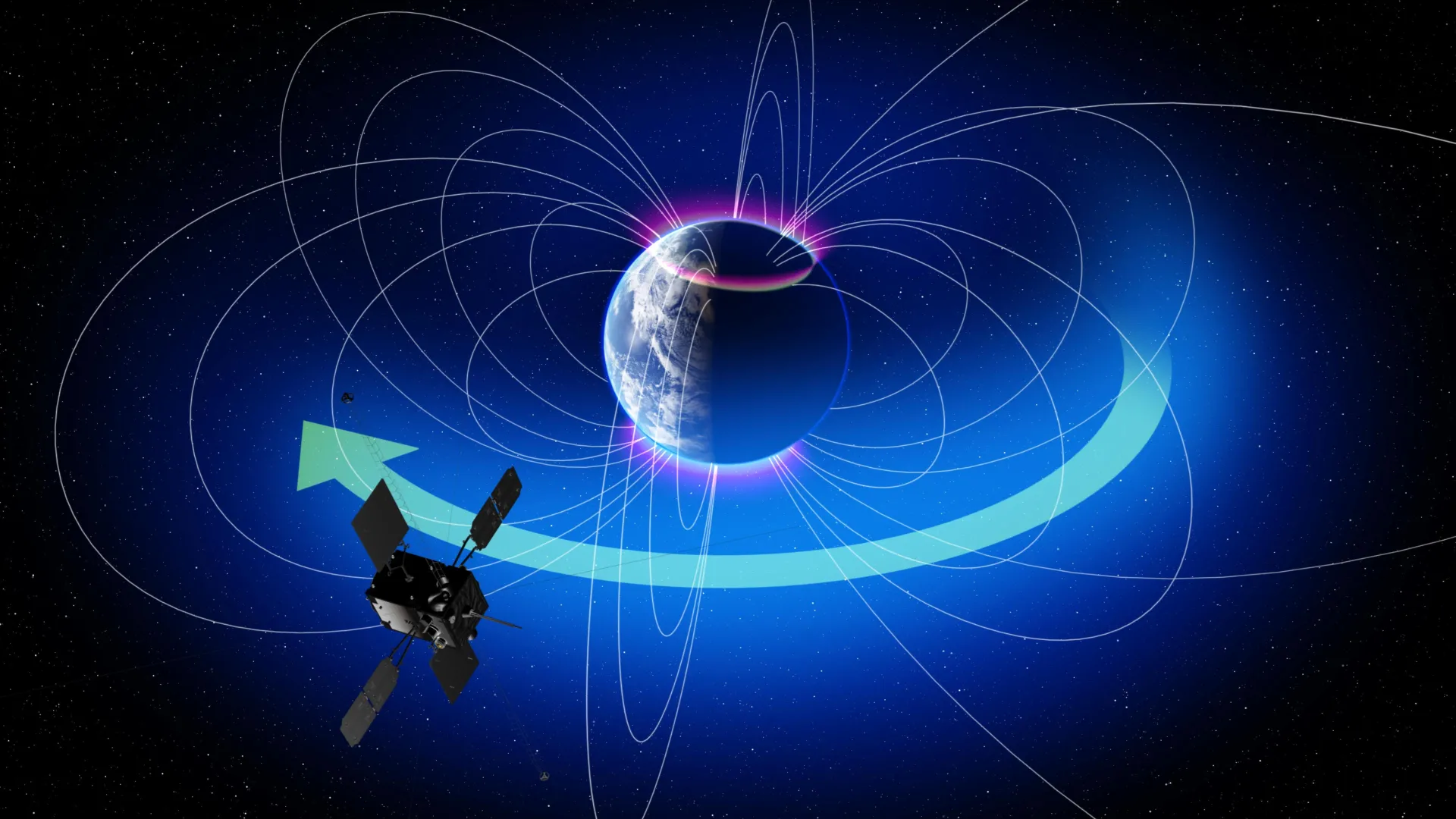
Earth as a Cosmic Spectacle: Contextualizing Biodiversity Through Dark Skies
A new perspective frames Earth's biodiversity as a cosmic event, suggesting that looking outward into the galaxy helps contextualize the urgency of current environmental crises.
Nature
Updated · 2 min read
Overview
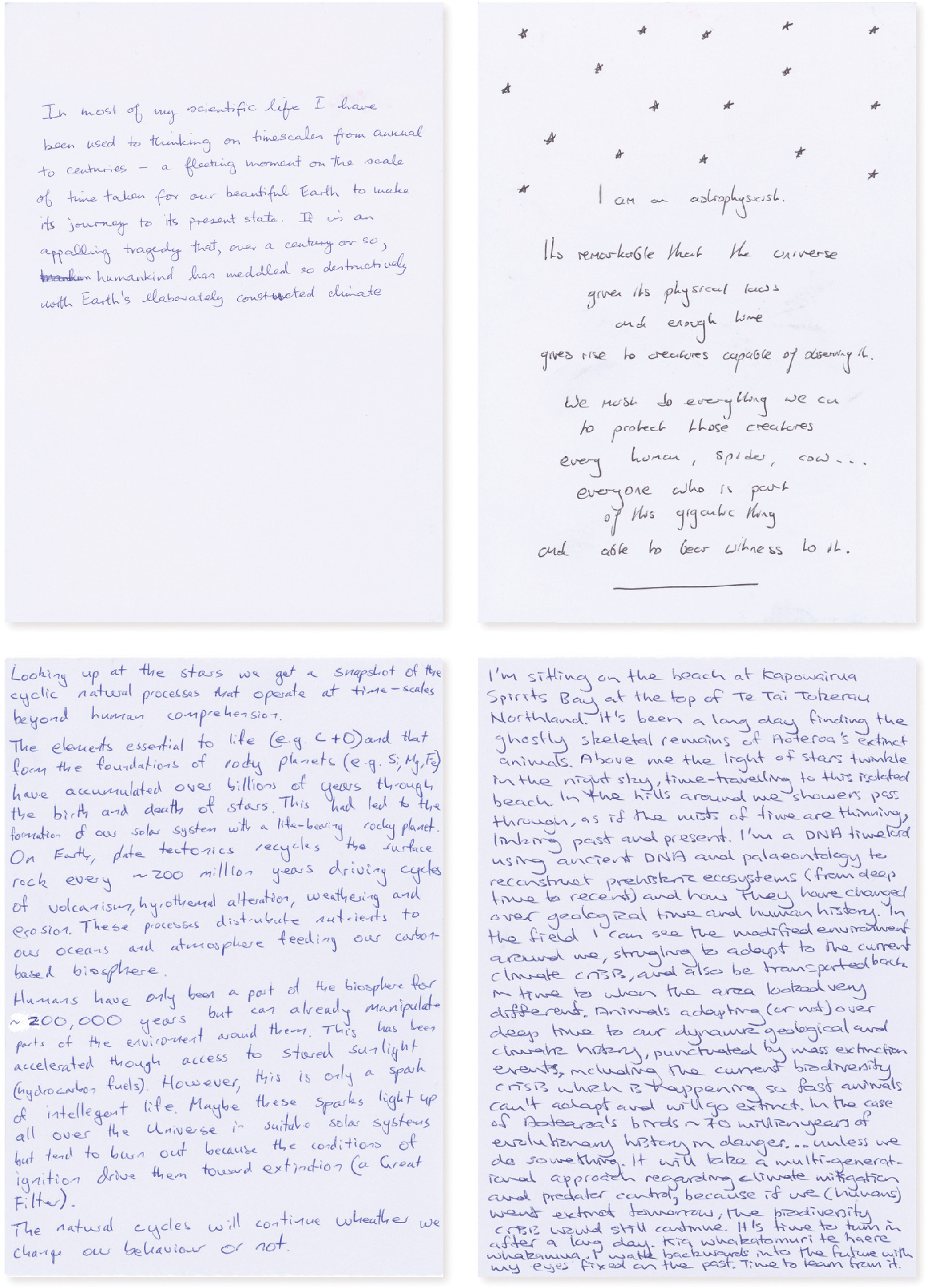
The concept of Earth as a "cosmic spectacle" suggests that the planet's biodiversity is the result of a journey beginning at the first moments of the universe. By observing dark skies and looking into the galaxy, humans can better understand the eons required for terrestrial ecosystems to emerge.
This framework highlights the contrast between the vast timescales of cosmic history and the rapid unraveling of biodiversity caused by climate change. It advocates for a shift in perspective to recognize the preciousness of life forms within a broader astronomical context.
The Cosmic Framework
Viewing Earth from a cosmic perspective allows for a deeper understanding of each life form's journey from the beginning of the universe to the present. This framework uses dark skies to contextualize life on Earth as a unique spectacle within the galaxy.1
Biodiversity and Time
Ecosystems that have taken eons to develop are currently being dismantled within decades due to climate and biodiversity crises. The cosmic viewpoint emphasizes the urgency of protecting these systems by placing human life and nature within a much larger historical and future timeline.1
Key takeaways
- Earth's biodiversity is framed as a cosmic spectacle with roots in the first moments of the universe.
- Dark skies provide a necessary context for understanding the preciousness of life on Earth.
- The current climate and biodiversity crises are unraveling ecosystems in decades that took eons to form.
- A cosmic perspective can help humans place themselves and other lives within a broader ecological and astronomical history.
Why this matters
This approach connects astronomy with conservation, suggesting that an outward-looking perspective is essential for valuing terrestrial life. It frames environmental protection not just as a local issue, but as the preservation of a rare cosmic event.
Original reporting
1 article from 1 publication. Read the full reporting at the source.
Related stories

Euclid Space Telescope Releases First Major Data Set Mapping the Dark Universe

Simons Observatory Begins Full Science Operations in Chile's Atacama Desert