U.S. Stock Markets Decline Amid Political Shifts and Persistent Inflation Concerns
The S&P 500 and Nasdaq fell as investors weighed potential anti-AI policies, upcoming interest rate hikes, and risks of future government shutdowns.
CBS News
Updated · 2 min read
Overview
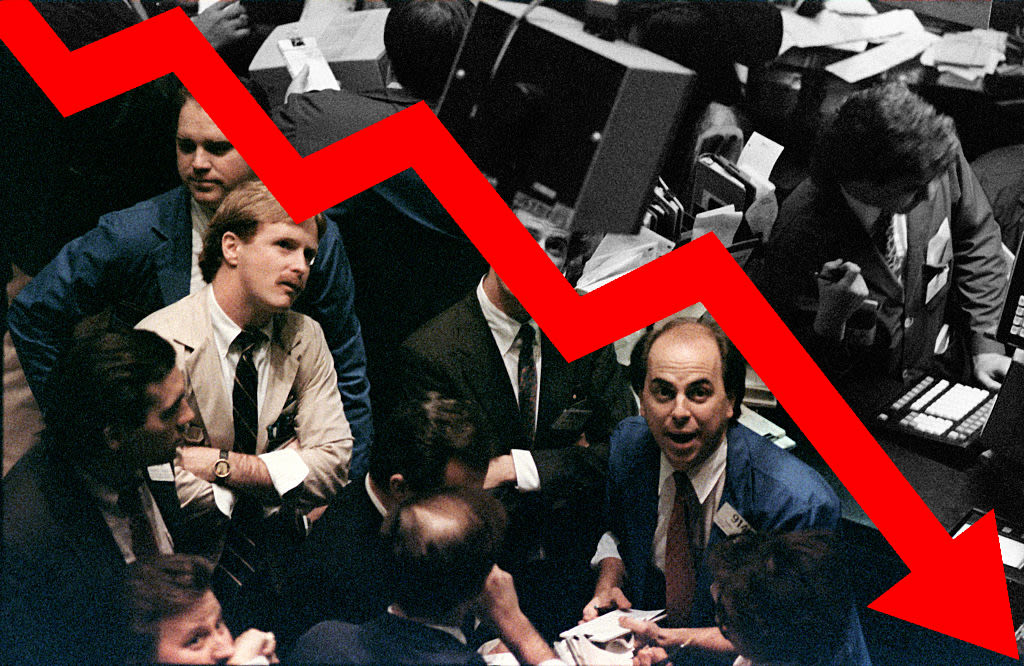
U.S. stock markets experienced a downturn on Friday, with the S&P 500 dropping approximately 1% to 7,105 in early trading. The selloff is attributed to a combination of political developments, including the "Blue Tidal Wave" election results, and growing fears regarding potential anti-AI and anti-data center sentiment in Washington D.C.
Economic pressures are also mounting as the Federal Reserve signals further interest rate hikes to combat inflation that remains significantly above the 2% target. Analysts suggest that a divided government could lead to intensified risks of shutdowns and debt limit disputes in the coming year.
Political and Regulatory Pressures
Market analysts point to the recent election results and concerns over new regulatory stances toward artificial intelligence as primary drivers for the selloff. There are specific fears that the new administration may adopt anti-AI or anti-data center policies that could impact the technology sector.1
Monetary Policy and Inflation
The Federal Reserve is expected to raise interest rates during its December meeting because inflation has not yet returned to the 2% annual target. Federal Reserve Bank of Chicago President Austan Goolsbee noted that current evidence does not suggest a return to the target without further central bank intervention.1
Fiscal and Geopolitical Risks
Oxford Economics warns that a Democratic-controlled Congress may lead to significant conflicts over the debt limit and government shutdowns. These domestic political fights are expected to occur alongside ongoing uncertainties regarding tariffs, immigration, and geopolitical stability.1
Key takeaways
- The S&P 500 fell about 1% to 7,105 in early trading on Friday.
- Investors are concerned about potential anti-AI and anti-data center sentiment in Washington.
- The Federal Reserve is likely to hike interest rates in December to address persistent inflation.
- A divided government may lead to bruising fights over the debt limit and government shutdowns next year.
- Financial experts advise against panic selling, citing the risk of missing out on eventual market recoveries.
Why this matters
The market decline reflects a shift in investor sentiment as they navigate a new political landscape and the reality of prolonged high interest rates. These factors influence the cost of borrowing, business investment, and the long-term growth prospects of the technology sector.
Perspectives
How different voices in the coverage frame this story.
Market Analysts
Analysts like Dan Ives highlight that political shifts and specific fears regarding AI regulation are contributing to the current market volatility.
Source: CBS News
Federal Reserve
Central bank officials emphasize that intervention is necessary because inflation remains well above the 2% target and is not currently on a path to reach it naturally.
Source: CBS News
Original reporting
1 article from 1 publication. Read the full reporting at the source.
Related stories

Historical Market Performance Following Federal Reserve Interest Rate Hikes

Stock Markets Decline as Inflation Data Increases Likelihood of December Rate Hike
