U.S. Aid Strategy Shifts Create Uncertainty for Zambia and Zimbabwe
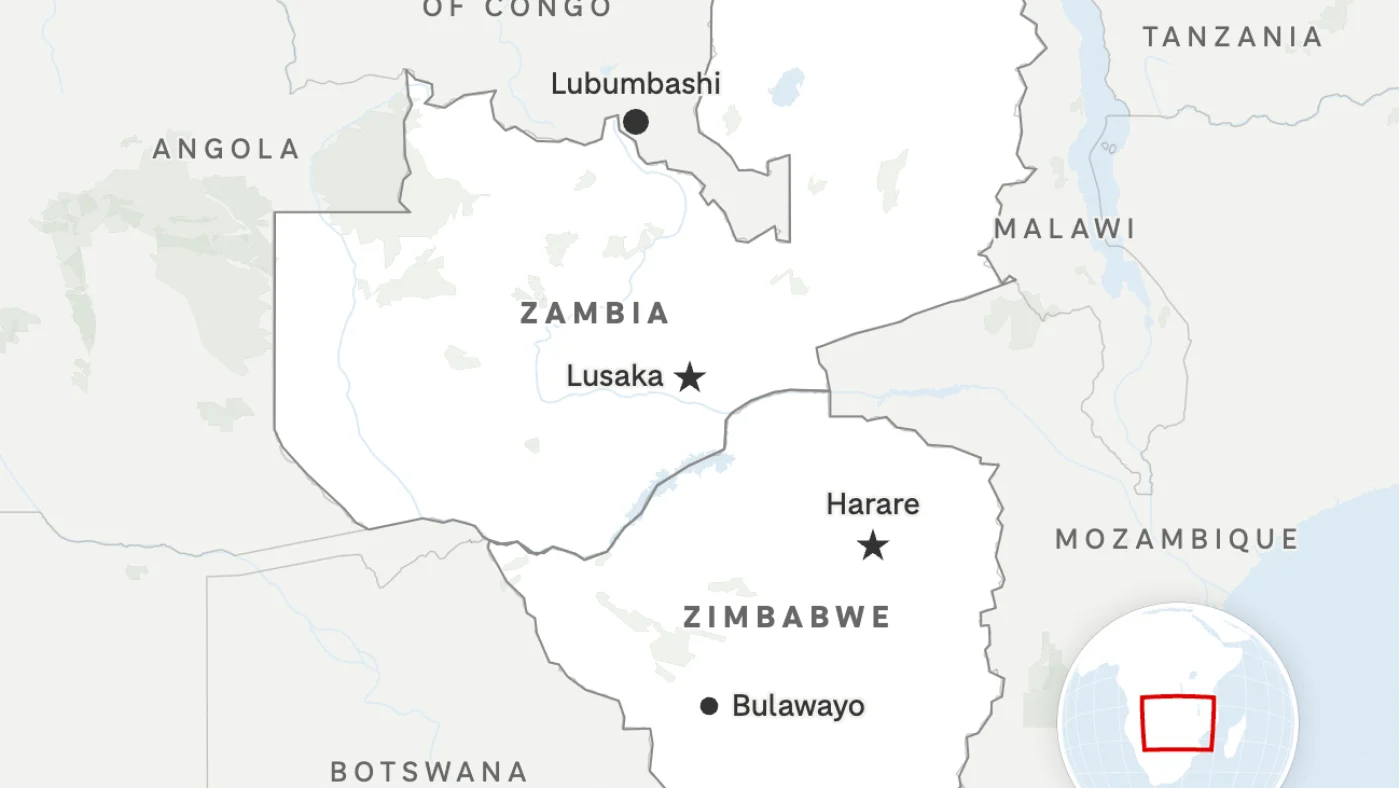
The Trump administration's new government-to-government aid framework is altering health assistance, leaving Zambia and Zimbabwe facing distinct and uncertain paths.
NPR
Updated · 2 min read
Overview
Following the 2025 dismantling of the U.S. Agency for International Development, the Trump administration has introduced a new global health strategy centered on direct government-to-government aid agreements. This shift has created a complex landscape for international assistance, particularly impacting Zambia and Zimbabwe as they navigate new, uncharted territory regarding how aid is delivered and managed.
The transition has raised concerns among health workers regarding the capacity of local governments to manage public health crises, such as the HIV/AIDS epidemic. While the U.S. State Department maintains its commitment to defining shared health priorities with partner nations, the practical implications of these new agreements remain a subject of significant concern for those on the ground.
A New Framework for Aid
The U.S. administration is currently establishing government-to-government aid agreements to replace the previous framework following the dissolution of the U.S. Agency for International Development in 2025. This transition has left Zambia and Zimbabwe on different trajectories regarding their access to and management of international support. The U.S. State Department has stated it remains committed to working with partner governments to advance shared global health priorities, though it did not address specific concerns raised by health workers.1
Public Health Challenges
Health workers have expressed concern that the Zambian government may be ill-equipped to address the HIV/AIDS epidemic under the new aid structure. Specifically, the illegality of homosexuality in Zambia creates barriers to care, as individuals fear arrest when visiting public health facilities. Consequently, many choose to avoid treatment, which health workers warn may lead to further spread of the virus through unprotected sexual relations and drug activity.1
Key takeaways
- The U.S. Agency for International Development was dismantled in 2025.
- The current administration is implementing a new aid strategy based on government-to-government agreements.
- Health workers in Zambia fear that legal barriers regarding homosexuality discourage patients from seeking HIV/AIDS treatment.
- The U.S. State Department says it is committed to working with partner governments on shared health priorities.
Why this matters
The shift in U.S. foreign aid policy fundamentally changes how health resources are distributed and managed in Zambia and Zimbabwe. The concerns raised by health workers highlight the potential for policy changes to impact public health outcomes and disease management in these nations.
Perspectives
How different voices in the coverage frame this story.
U.S. State Department
The department asserts it is committed to collaborating with partner governments to define and advance shared global health priorities.
Source: NPR
Health Workers
Workers express concern that local governments are ill-equipped to handle health crises and that legal environments, such as the illegality of homosexuality in Zambia, hinder effective public health interventions.
Source: NPR
Original reporting
1 article from 1 publication. Read the full reporting at the source.
Related stories
NIH Halts Diversity-Focused Medical Grants Amid Federal Policy Shift

Rising Disparities in Access to GLP-1 Medications for Weight Management
