The Role of Music in Shaping Societal Attitudes and Movements
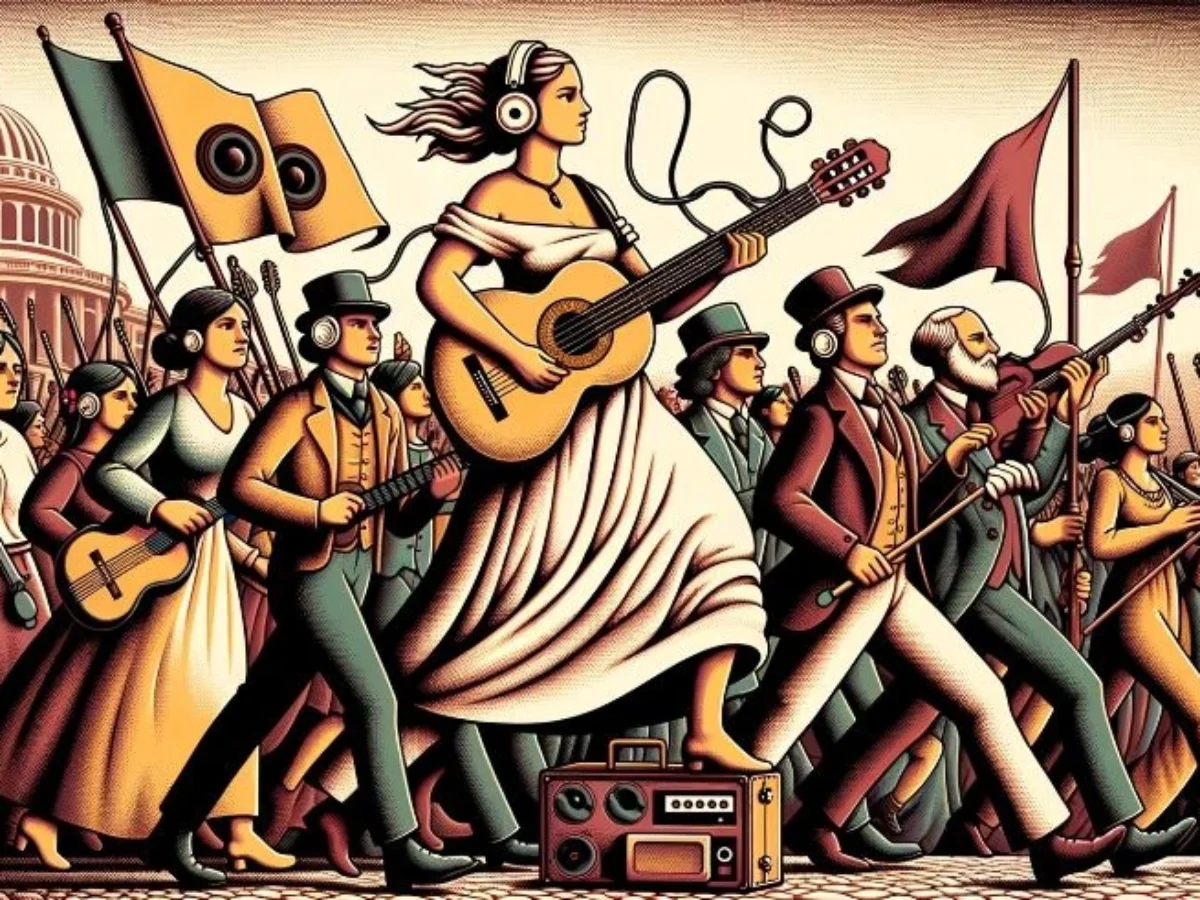
Music serves as a key component of popular culture, often functioning as a catalyst for social change and collective action.
Arpelli
Updated · 2 min read
Overview
Popular culture acts as a significant force in shaping the attitudes and behaviors of society. Among its various elements, music is identified as a vital component that can influence how individuals perceive and interact with the world around them.
Beyond personal influence, music often plays a functional role in broader social contexts. It frequently serves as a medium for expression and unity, particularly within the framework of social movements.
Music as a Cultural Driver
Music is recognized as a vital element of popular culture with the capacity to shape societal attitudes and behaviors. By reflecting and reinforcing cultural values, it plays an active role in the ongoing development of social norms [s1].1
Anthems for Social Change
One of the most prominent ways music influences society is through its connection to social movements. Songs frequently serve as anthems, providing a rallying point for collective action and advocacy [s1].1
Key takeaways
- Music is a vital element of popular culture that impacts societal attitudes.
- Popular culture influences individual and collective behaviors.
- Songs often function as anthems for social movements.
Why this matters
Understanding the influence of popular culture highlights how artistic mediums like music can mobilize public sentiment. It demonstrates the tangible link between cultural expression and social advocacy.
Original reporting
1 article from 1 publication. Read the full reporting at the source.
Related stories

BTS, ENHYPEN, BIGBANG, and CORTIS Recognized at 2026 MAMA Awards

British Artists Secure Strong Showing in 2027 Grammy Nominations
