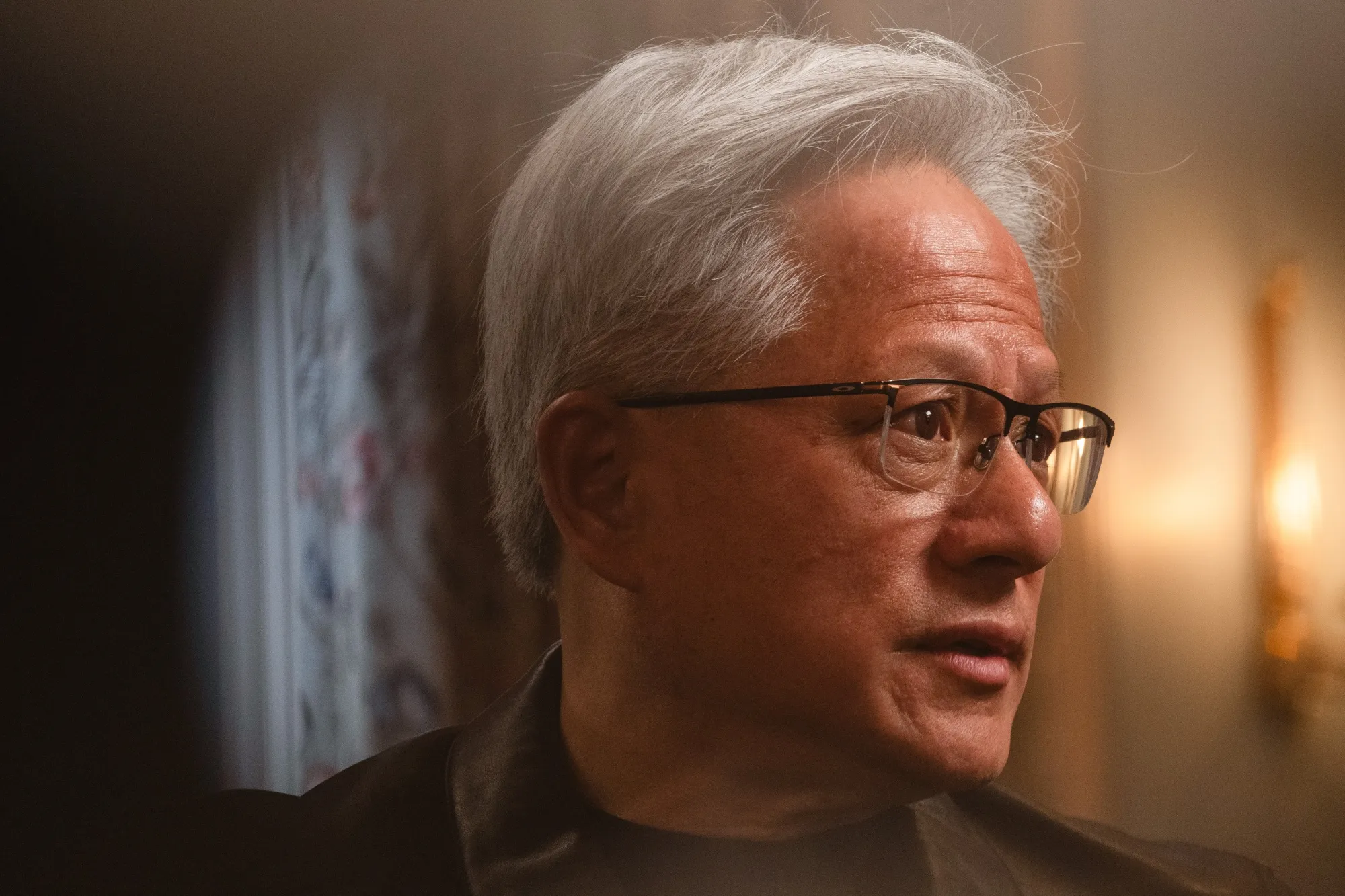
Nvidia CEO Resigns Amid China Military Chip Procurement and Espionage Allegations
Jensen Huang has stepped down as Nvidia CEO following reports of an affair with a suspected Chinese spy, as U.S. officials highlight China's efforts to acquire advanced AI chips.
CNBC, Politico
Updated · 2 min read

Overview
Nvidia CEO Jensen Huang has resigned following reports that he engaged in an affair with a suspected Chinese spy. The individual in question was employed by Megaspeed, a Singapore-based company currently under investigation by U.S. authorities for the potential diversion of Nvidia semiconductors to China.
Simultaneously, a congressional commission report has revealed that China’s People's Liberation Army is actively attempting to acquire advanced Nvidia chips to bolster its artificial intelligence capabilities. Despite U.S. export controls, the report notes that Chinese entities are bypassing restrictions by accessing Nvidia hardware remotely through data centers located in third countries.
Military Procurement and Export Controls
The U.S.-China Economic and Security Review Commission reported that China is actively soliciting advanced semiconductors to support its military's intelligentization efforts. While U.S. export controls have created a substantial compute gap, the commission noted that China continues to seek ways to evade these restrictions. Currently, China has not yet overcome critical chokepoints in logic fabrication, memory, and the Nvidia CUDA software ecosystem.1
Leadership Turmoil and Security Scrutiny
The resignation of Jensen Huang has intensified scrutiny regarding Nvidia’s exposure to China and the national security implications of its chip exports. This leadership change coincides with broader diplomatic tensions, as President Donald Trump prepares to meet with Chinese leader Xi Jinping at the APEC summit. Amid these developments, U.S. policymakers remain concerned about the potential transfer of sensitive research and the military applications of AI.12
AI Safety Dialogue
Despite heightened tensions, some channels for international cooperation persist. Concordia AI, a China-based organization focused on AI safety, has briefed several U.S. AI laboratories, including OpenAI. Industry leaders like Anthropic CEO Dario Amodei have advocated for agreements between Washington and Beijing to slow advanced AI development, though such proposals face significant political obstacles.2
Key takeaways
- Nvidia CEO Jensen Huang resigned following reports of an affair with a suspected Chinese spy.
- A U.S. congressional commission reported that the Chinese military is actively seeking advanced Nvidia chips for AI development.
- Chinese entities are reportedly bypassing U.S. export controls by accessing Nvidia chips remotely through third-country data centers.
- Concordia AI, a Chinese safety group, has engaged with U.S. AI labs like OpenAI to discuss international safety standards.
Why this matters
The intersection of corporate leadership scandal, potential espionage, and the global race for AI dominance highlights the fragility of the semiconductor supply chain. These events underscore the significant national security challenges the U.S. faces in preventing advanced technology from reaching foreign military powers.
Perspectives
How different voices in the coverage frame this story.
U.S. Congressional Commission
Emphasizes that while U.S. export controls have successfully created a compute gap, China remains persistent in its efforts to acquire advanced chips and evade restrictions.
Source: CNBC
AI Industry Leaders
Advocates for international agreements between the U.S. and China to slow the development of advanced AI systems to address safety concerns.
Source: Politico
Original reporting
2 articles from 2 publications. Read the full reporting at the source.
Related stories

Anthropic IPO and Nvidia Leadership Crisis Test the Stability of the AI Market
Nvidia Establishes Board Committee to Oversee Export Controls and National Security