NIH Highlights Recent Advances and Clinical Findings in Regenerative Medicine and Health Research
NIH-supported research reveals key insights on stroke recovery monitoring, cancer immunotherapy enhancement, dementia risk prediction, and Long COVID treatment outcomes.
Nih
Updated · 2 min read
Overview
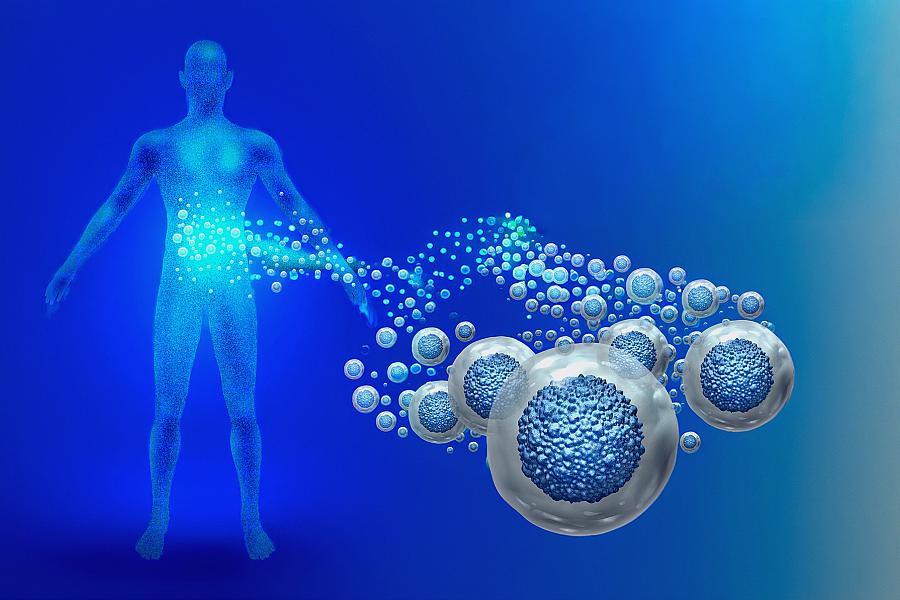
A feature from NIH Research Matters details recent scientific developments across multiple health fields, including efforts in regenerative medicine to assist body cell replacement. The featured studies focus on diagnostic innovations, therapeutic strategies, and clinical trials addressing major health conditions.
Key highlights include wearable devices for tracking arm mobility during stroke recovery, targeted nanoparticles designed to assist immunotherapy, blood testing combined with genetic markers for dementia risk assessment, and clinical trial results evaluating an antiviral treatment for Long COVID symptoms.
Diagnostics and Risk Prediction Innovations
Researchers developed a protein-based MRI contrast agent capable of detecting a common form of lung cancer and identifying whether it spread to other organs in mouse models. In cognitive health research, studies demonstrated that elevated blood levels of the protein p-tau217 increase the risk of cognitive impairment, particularly in individuals carrying the APOE-ε4 gene. Combining blood p-tau217 levels with APOE4 gene status enhanced predictions regarding dementia risk and timing.1
Recovery Tracking and Clinical Trial Outcomes
In rehabilitation research, a wearable device successfully tracked how patients regained arm function following a stroke. Additionally, senescence-targeting nanoparticles were explored to potentially enhance immunotherapy effectiveness within the tumor microenvironment. Conversely, a clinical trial examining an antiviral drug found that it did not improve Long COVID symptoms.1
Key takeaways
- NIH-supported scientists are examining regenerative medicine approaches to help the human body replace underperforming cells.
- A wearable device was utilized to monitor arm mobility recovery in post-stroke patients.
- A novel protein-based MRI contrast agent detected common lung cancer and its spread in mouse models.
- Combining blood p-tau217 levels with APOE4 gene status improved dementia risk predictions.
- A clinical trial showed that an antiviral drug failed to improve symptoms of Long COVID.
Why this matters
These NIH-supported studies provide critical updates on medical diagnostics, disease risk prediction, and treatment efficacy. By identifying tools that work—such as targeted contrast agents and biomarker combinations—and documenting ineffective treatments like certain Long COVID antivirals, researchers can refine clinical strategies for stroke, cancer, and neurodegenerative diseases.
Original reporting
1 article from 1 publication. Read the full reporting at the source.
Related stories
Recent NIH-Supported Research Highlights Advances in Stroke Recovery, Oncology, and Metabolic Health
NIH-Developed Treatment Approved for Rare Pediatric Neurodegenerative Disorder
