IMF Chief Warns of Economic Risks as AI Circular Financing Reaches $1 Trillion
IMF Managing Director Kristalina Georgieva cautions that AI-driven market expectations may be outpacing reality, highlighting risks from circular financing and potential asset corrections.
CNBC
Updated · 2 min read

Overview
International Monetary Fund Managing Director Kristalina Georgieva has issued a warning regarding the global economy, specifically citing the rapid growth of circular financing within the artificial intelligence sector. This practice, where capital invested in AI firms returns to investors through purchase orders, has reached over $1 trillion, with two-thirds of that amount funded by debt.
Georgieva noted that investor enthusiasm for AI has outpaced the technology's proven delivery, suggesting that market corrections may be necessary. The IMF previously projected that if AI fails to meet market expectations, U.S. equity prices could drop by 20% in 2026, potentially reducing global output by 1.1% below baseline estimates by 2028.
The Risks of Circular Financing
The IMF estimates that circular financing among AI companies has grown to slightly over $1 trillion. While Georgieva characterized the total size as not yet massive, she emphasized the rapid pace of this increase. The reliance on debt for two-thirds of this financing adds a layer of vulnerability to the sector [s1].1
Market Volatility and Nvidia
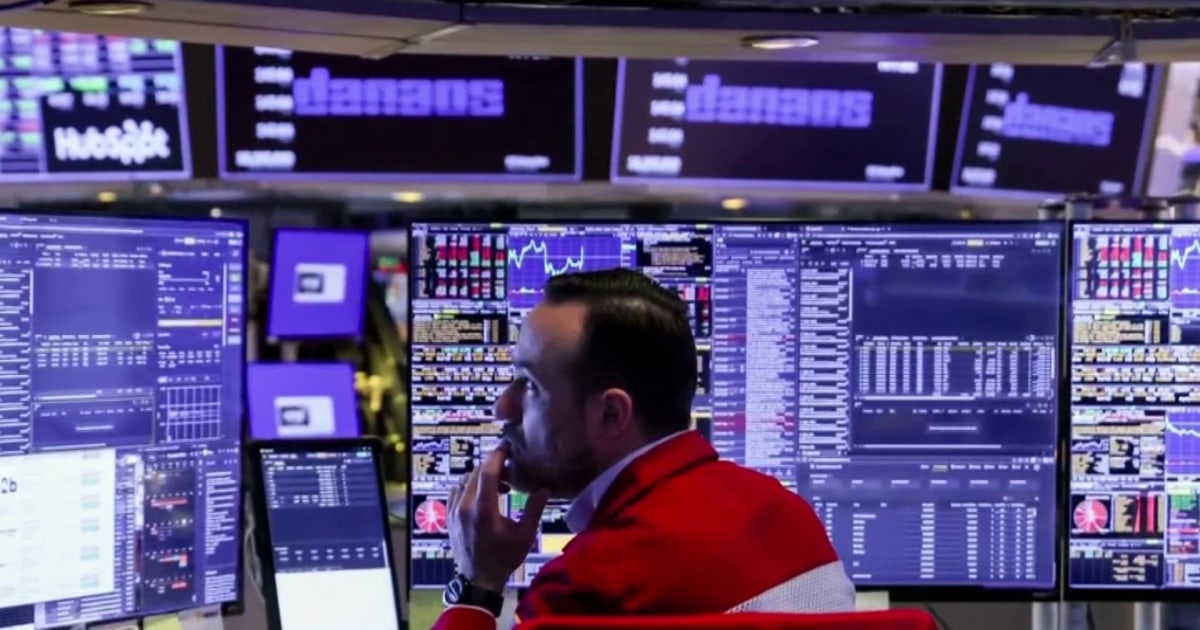
Global equities, particularly those involving U.S. chipmakers, have experienced a significant sell-off recently. Nvidia Corp, which is central to these circular financial deals, has seen more than $1 trillion in market value erased over the past month. The company is also facing market pressure following reports regarding former CEO Jensen Huang's personal conduct, including an extramarital affair with a suspected Chinese spy [s1].1
Key takeaways
- Circular financing in the AI sector has reached over $1 trillion, with two-thirds funded by debt.
- The IMF warns that a failure to meet AI market expectations could lead to a 20% drop in U.S. equity prices in 2026.
- Nvidia has lost over $1 trillion in market value in the last month amid broader market sell-offs and internal leadership controversies.
- Global output could fall 1.1% below baseline estimates by 2028 if AI-related market corrections occur.
Why this matters
The warning highlights the potential for systemic economic instability if the current AI investment frenzy is not supported by actual technological performance. The reliance on debt-funded circular financing creates a precarious environment where a market correction could have significant global consequences.
Original reporting
1 article from 1 publication. Read the full reporting at the source.
Related stories

Goldman Sachs and Morgan Stanley Issue Divergent 2027 Global Economic Forecasts

U.S. Stock Futures Rebound Following Major Tech-Led Market Correction