Evaluating the Impact of Food Is Medicine Interventions on Public Health
Public health organizations are utilizing standardized survey data and research frameworks to measure the effectiveness of Food Is Medicine programs on patient outcomes.
odphp.health.gov
Updated · 2 min read
Overview
The Food Is Medicine initiative focuses on integrating nutritional support into healthcare to address chronic disease and nutritional risk. Research efforts are currently centered on evaluating how these interventions influence food security, dietary habits, and overall disease management for participants.
To track these impacts, organizations rely on tools like the Behavioral Risk Factor Surveillance System (BRFSS), which provides data on chronic disease prevalence and health behaviors. This data supports community-level evaluations and helps estimate the economic and health-related outcomes of various prevention strategies.
Measuring Health and Economic Impact
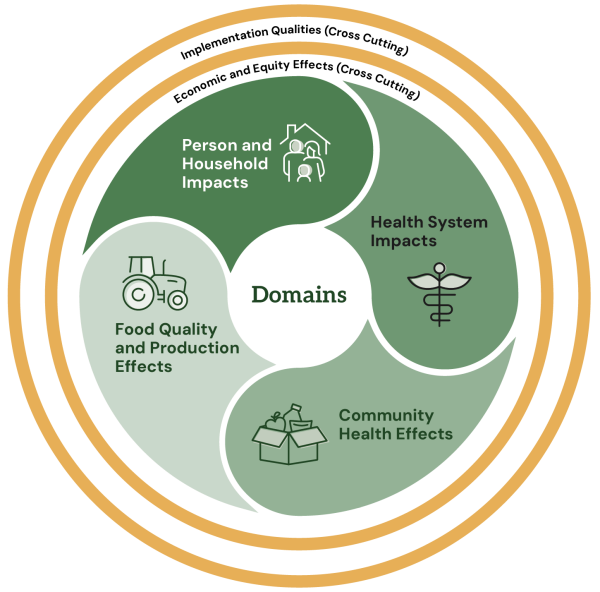
Research into Food Is Medicine interventions examines several key metrics, including healthcare utilization such as emergency department visits and hospitalizations. Studies also track clinical indicators like blood pressure and HbA1c levels to determine the efficacy of nutritional interventions. Additionally, researchers use tools to estimate the broader economic impacts of diabetes prevention and management programs [s1].1
Data Collection and Collaboration
The Behavioral Risk Factor Surveillance System serves as a primary source for tracking disease burden and health-related behaviors across the nation. Beyond individual health outcomes, the evaluation framework assesses how healthcare providers, organizations, and community partners collaborate to deliver services. This collaborative approach aims to improve overall health system performance and ensure access to culturally appropriate, healthy foods [s1].1
Key takeaways
- Food Is Medicine interventions are linked to improvements in food security, dietary quality, and disease management.
- The Behavioral Risk Factor Surveillance System (BRFSS) is used to track chronic disease prevalence and health behaviors.
- Evaluation metrics include clinical indicators like HbA1c and blood pressure, as well as healthcare utilization rates.
- Research frameworks assess the collaboration between healthcare organizations and community partners.
Why this matters
Understanding the efficacy of Food Is Medicine programs is essential for addressing chronic disease and nutritional risk at the community level. Standardized measurement tools help stakeholders determine how these interventions impact both patient health outcomes and healthcare spending.
Original reporting
1 article from 1 publication. Read the full reporting at the source.
Related stories

Emory University Offers Epidemiology Training for Public Health Professionals

Key Public Health Challenges Facing the United States in 2026