Antitrust Pressure Pushed Acquirers to Unbundle Deals. They May Prefer the Result
Acquirers can secure advantages beyond regulatory treatment, including selective hiring, narrower integration, and liability containment.
Berkeley
Updated · 2 min read

Overview
Acquirers can secure advantages beyond regulatory treatment, including selective hiring, narrower integration, and liability containment. For most of the last two decades, when a technology startup failed or stalled, the outcome followed a predictable pattern. A large acquirer bought the company.
What Berkeley reports
Acquirers can secure advantages beyond regulatory treatment, including selective hiring, narrower integration, and liability containment. For most of the last two decades, when a technology startup failed or stalled, the outcome followed a predictable pattern. A large acquirer bought the company.1
Key takeaways
- And the rank-and-file employees, including those whose equity had not vested, received jobs.
- The acquisition of struggling startups was rarely about revenue or market share.
- It was about acquiring a team and its technology, and the whole-company form was simply how it was done.
- The broader incentive effect is plausible but not yet empirically established.
Why this matters
Reported by Berkeley. Read the original reporting below for full context.
Original reporting
1 article from 1 publication. Read the full reporting at the source.
Related stories
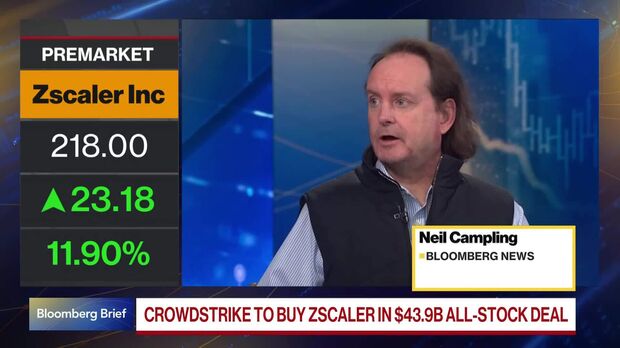
CrowdStrike to Acquire Zscaler in $44 Billion Cybersecurity Deal

Nvidia $500 Billion AI Funding Deal Stalls Amid CEO Ouster and Anthropic IPO